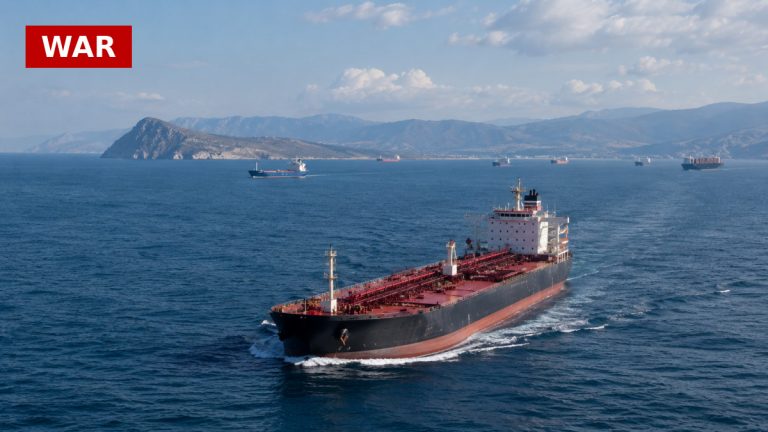
Saudi Arabia is facing a critical juncture as Houthi forces gain ground in Yemen, posing significant security and economic challenges. The recent escalation of Houthi attacks has resulted in injuries and heightened tensions, forcing Riyadh to reconsider its military and diplomatic strategies. The Houthis’ ability to disrupt oil shipping routes, particularly in the Bab el-Mandeb Strait, threatens not only Saudi interests but also global oil supply chains, raising concerns about economic stability.
The Saudi government is caught between the need for a military response and the desire to maintain open lines of communication for potential negotiations. This precarious balance is further complicated by domestic pressures for economic progress and stability, as Crown Prince Mohammed bin Salman seeks to implement his Vision 2030 reform agenda. The ongoing conflict could jeopardize foreign investments and major events planned for the kingdom, such as the Expo 2030 and the FIFA World Cup in 2034.
As the situation evolves, Riyadh’s reliance on international allies, particularly the US, becomes increasingly vital. However, the limited military support offered by the US underscores the complexities of the geopolitical landscape, where Saudi Arabia must navigate its relationships with both allies and adversaries. The untested Mecca Joint Defense Agreement with Turkey and Pakistan adds another layer of uncertainty to Saudi Arabia’s strategic options.
In this context, the Saudi leadership faces growing scrutiny over its handling of the crisis, with human rights observers noting a crackdown on dissent. The need for a stable security environment is paramount, as the kingdom grapples with the dual challenges of external threats and internal expectations for economic development.
Source: DW News