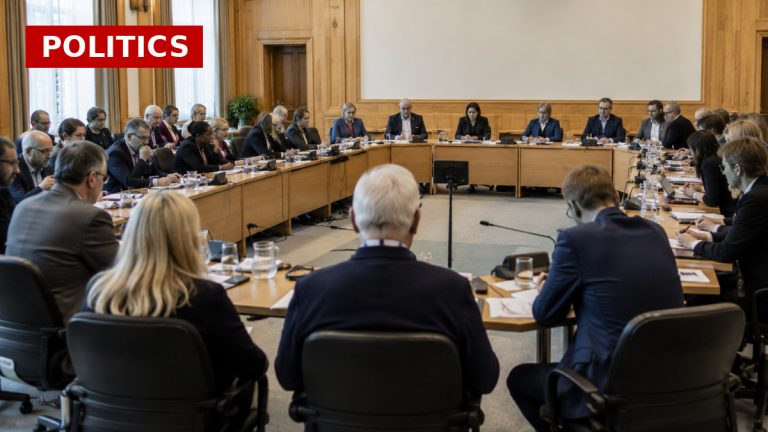
The Serbian government has initiated a snap election by proposing the dissolution of parliament, a move seen as an attempt to strengthen President Aleksandar Vucic’s grip on power. This decision comes after nearly two years of significant public unrest, marked by mass protests against corruption and governance issues following a tragic incident in 2024 that claimed 16 lives.
Prime Minister Djuro Macut announced the call for early elections, which were not scheduled until December next year. The elections, expected to occur in late October, will serve as a critical test of Vucic’s political standing amid ongoing demands for change from the public. The president’s Serbian Progressive Party is positioning itself to maintain control, with Vucic potentially transitioning to the role of prime minister.
The backdrop of this political maneuvering includes accusations against Vucic’s administration of violence, corruption, and media suppression. The opposition has also highlighted the stagnation of Serbia’s European Union accession talks, as Vucic has leaned towards strengthening ties with Russia and China instead.
As the election date approaches, the political landscape in Serbia remains tense, with the potential for significant implications on both domestic stability and international relations. The outcome could either reaffirm Vucic’s authority or signal a shift in public sentiment towards a more democratic governance structure.
Source: Al Jazeera