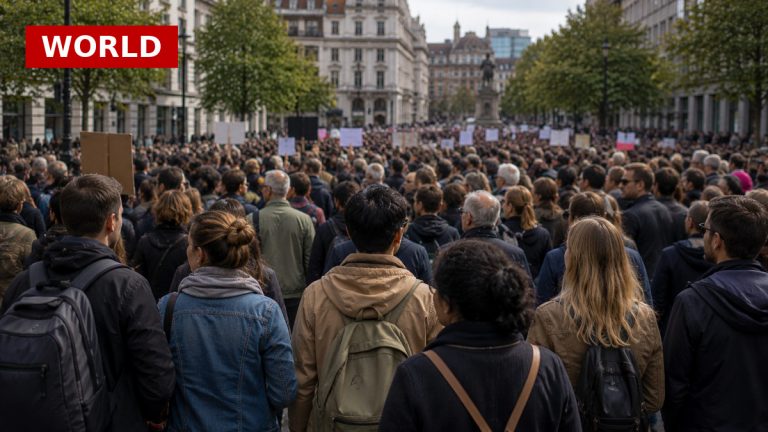
Recent developments in the Netherlands suggest a potential shift in public sentiment regarding Israel, despite the government’s longstanding support. The acquittal of Amin Abu Rashid, a humanitarian worker accused of funding Hamas, marks a significant victory for pro-Palestinian activists. This case highlights the tension between humanitarian efforts and counterterrorism laws, which have often been used to suppress support for Palestine.
Public opinion appears to be changing, with surveys indicating that a majority of Dutch residents are dissatisfied with their government’s stance on Israel, particularly in light of recent conflicts in Gaza. This growing discontent is reflected in cultural decisions, such as the Dutch broadcaster AVROTROS opting out of the Eurovision Song Contest due to concerns over Israel’s actions.
Analysts suggest that while the government may not immediately alter its policies, the increasing public pressure could eventually lead to a reevaluation of the Netherlands’ relationship with Israel. The rise of the Boycott, Divestment, Sanctions (BDS) movement further illustrates this shift, as more citizens advocate for a critical stance against Israeli policies.
As societal attitudes evolve, the divide between government support for Israel and public sentiment may widen. The future of Dutch-Israeli relations could hinge on this growing awareness and activism, indicating a potential transformation in the Netherlands’ foreign policy landscape.
Source: Al Jazeera