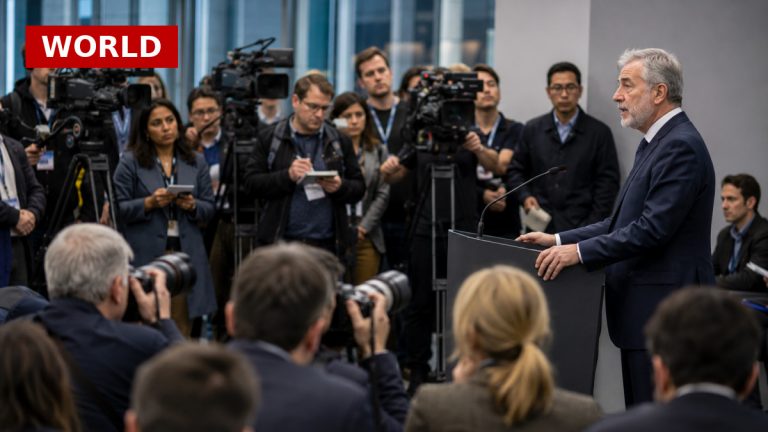
As Russian President Vladimir Putin hosts the ASEAN-Russia summit, the implications for global geopolitics are significant. Leaders from 11 Southeast Asian nations are discussing partnerships that could reshape economic and political landscapes, particularly in energy and technology sectors. This meeting comes at a time when the G7 is intensifying sanctions against Russia, aiming to weaken its war economy and support Ukraine.
Putin’s focus on digital solutions and resilient platforms indicates a shift towards technological collaboration, which may enhance Russia’s influence in the region. The ASEAN nations, while traditionally neutral, could find themselves navigating a complex relationship with both Russia and Western powers, impacting trade and security dynamics.
The G7’s commitment to ramping up pressure on Russia, including sanctions on oil and gas, signals a united front against Moscow’s actions in Ukraine. This could lead to increased tensions in global energy markets, affecting prices and supply chains that the UK and other nations rely on.
As these geopolitical shifts unfold, the long-term consequences for international relations and economic stability are profound. The outcomes of this summit may not only affect Southeast Asia but also have ripple effects on global alliances and economic strategies, particularly for countries like the UK that are closely monitoring these developments.
Source: Euronews