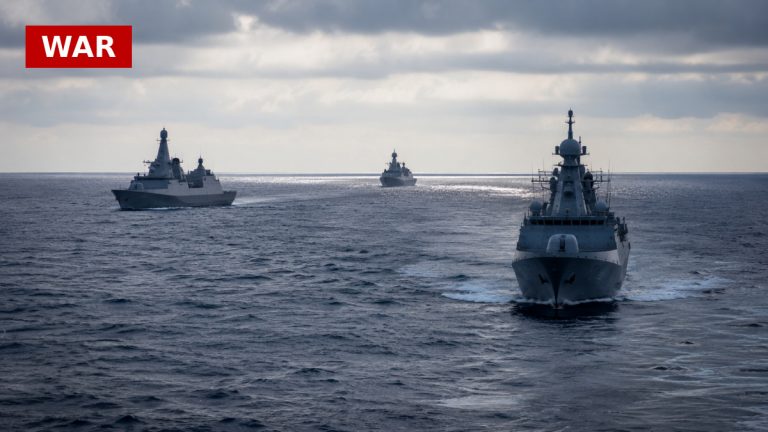
Iran and Oman have finalised an agreement on a new shipping route through the strategically vital Strait of Hormuz. This development is significant as it may alter the dynamics of global energy transit, particularly given that approximately a quarter of the world’s oil passes through this narrow waterway. Iran’s insistence on charging fees for passage highlights its claim of sovereign control, which directly contradicts the stance of the United States and Gulf nations advocating for free navigation.
The implications of this agreement extend beyond immediate shipping logistics. If Iran successfully implements this route, it could lead to increased tensions with the US, which has historically maintained a naval presence in the region to ensure free passage. The potential for Iran to exert control over shipping routes may also impact global oil prices, depending on how other nations respond to this shift in control.
Moreover, the agreement’s success hinges on the geopolitical landscape, particularly the US’s military posture in the region. Iran’s Foreign Ministry has indicated that the safety of navigation through the Strait cannot be guaranteed as long as US sanctions and military actions persist. This suggests that the agreement may not lead to immediate changes in shipping practices, as the underlying tensions remain unresolved.
As negotiations continue, the international community will be watching closely. The outcome could redefine maritime security in the region and influence energy markets worldwide, making it a critical development for both regional and global stakeholders.
Source: Euronews