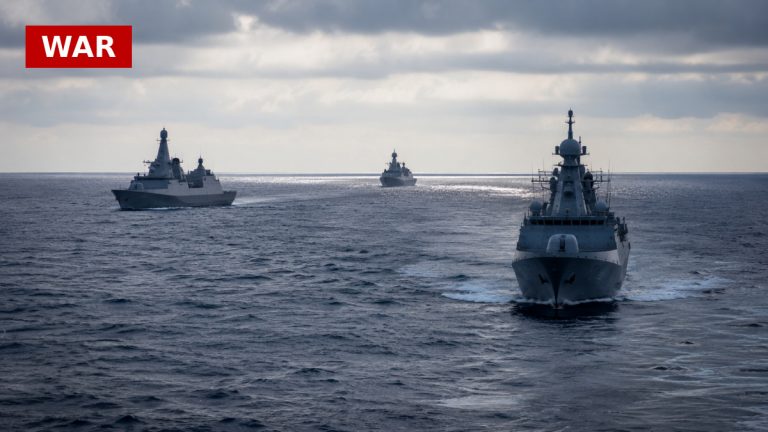
Iran and Oman have agreed on a temporary shipping route in the Strait of Hormuz, a critical passage for global oil and gas shipments. This route, which will partially run through Iranian territorial waters, comes amid ongoing tensions following the US-Israel conflict with Iran. While this agreement may ease some immediate shipping concerns, it does not signify a full reopening of the strait, as Iran insists that the US must first meet its commitments under a previous peace deal.
The significance of this development lies in its potential impact on global energy markets. The Strait of Hormuz is a vital corridor, handling about one-fifth of the world’s oil and liquefied natural gas. The temporary route could provide a short-term solution for shipping, but the underlying tensions and Iran’s insistence on US compliance suggest that long-term stability remains elusive.
Moreover, the agreement highlights the complexities of maritime security in the region. With Iran’s recent threats against US vessels and the ongoing risks of attacks on shipping, the safety of this new route is uncertain. The potential for further conflict could disrupt not only oil prices but also global supply chains.
As diplomatic efforts stall, the situation in the Strait of Hormuz serves as a reminder of the fragility of international agreements in the face of geopolitical strife. Stakeholders in global trade must remain vigilant as the region navigates these turbulent waters, with the possibility of future escalations looming.
Source: Al Jazeera