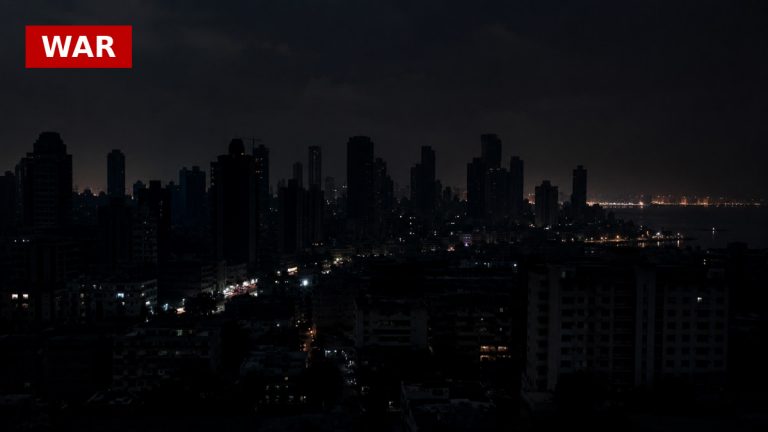
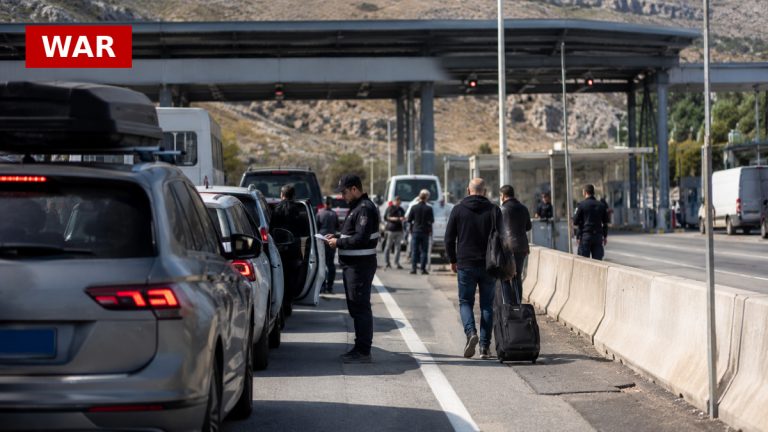
The recent bombing in Crimea that killed Robert Shageyev, a former Ukrainian naval officer turned Russian defector, underscores the escalating tensions in the region. This incident not only highlights the ongoing conflict but also raises questions about the security of Russian personnel in annexed territories. The implications of such targeted attacks could lead to increased paranoia within Russian ranks, potentially affecting military operations and morale.
In addition to the assassination, the drone strike on a passenger train in Ukraine, resulting in civilian casualties, illustrates the indiscriminate nature of the conflict. Ukrainian President Volodymyr Zelenskyy condemned the attack, emphasizing the civilian toll and the need for accountability. This incident may provoke further international scrutiny and pressure on Russia regarding its military tactics.
Moreover, the shutdown of a Russian oil refinery due to drone strikes signifies the impact of Ukraine’s counteroffensive strategies on Russia’s economic infrastructure. With sanctions already hampering repairs, this could lead to longer-term disruptions in fuel supply, affecting both military and civilian sectors in Russia.
As both sides propose ceasefires and negotiations over civilian shipping in the Black Sea, the ongoing violence complicates these discussions. The potential for renewed dialogue hinges on the ability of both nations to manage their military actions and civilian safety, which remains a critical concern for international observers.
Source: The Guardian