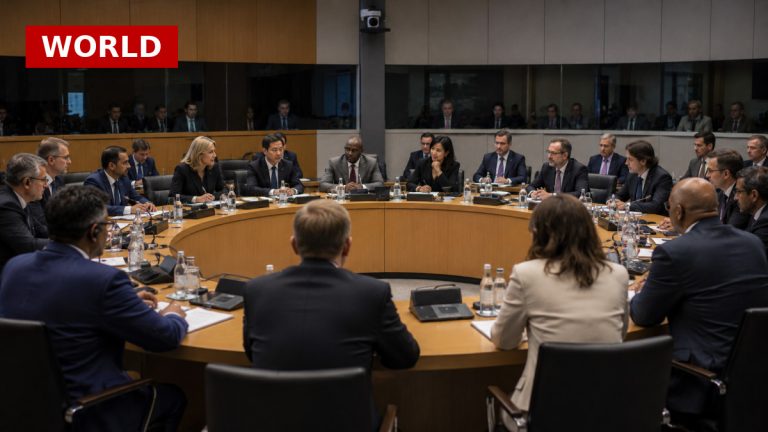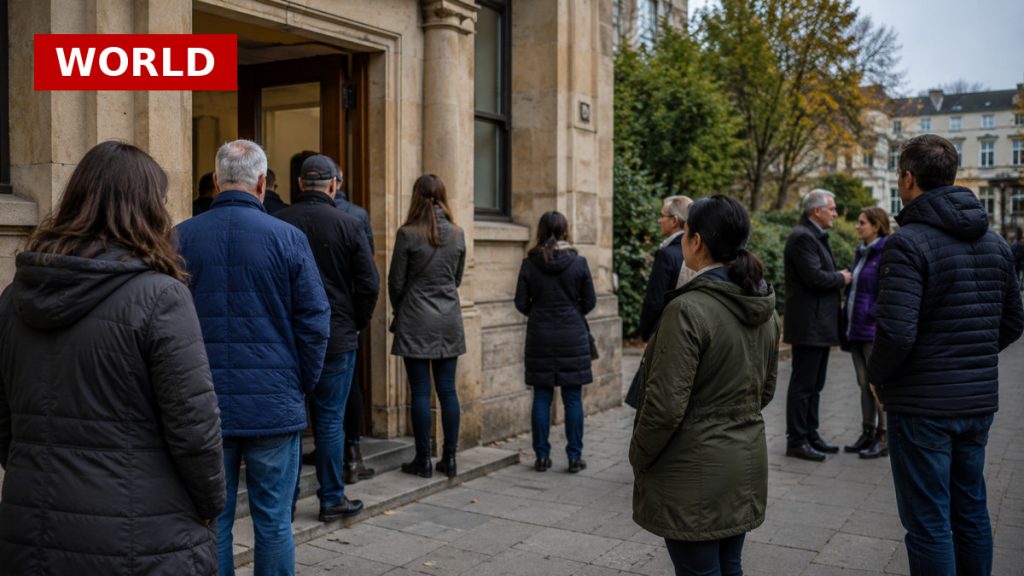
Russians are voting in their first parliamentary elections since the invasion of Ukraine, a crucial moment that reveals the Kremlin’s grip on power. With the ruling United Russia party expected to maintain its dominance, the elections serve as a barometer for public support for the war, despite widespread discontent and economic challenges. President Putin has urged citizens to participate, framing the vote as a demonstration of unity against perceived Western threats.
The elections are taking place against a backdrop of significant military casualties and economic downturn, which have led to growing impatience among the populace. Many Russians are wary of another mobilization, reminiscent of the 2022 call-up that prompted mass emigration. The Kremlin’s manipulation of the electoral process, including barring opposition parties, raises questions about the legitimacy of the results and the true state of public sentiment.
As the results are anticipated, they will provide insight into the Kremlin’s concerns about apathy and frustration among voters. The absence of a credible anti-war platform on the ballot highlights the challenges faced by dissenting voices in Russia. This election is not just about legislative seats; it reflects the broader societal mood and the potential for future unrest as the war continues to impact daily life.
Ultimately, the outcome may influence not only domestic policy but also Russia’s ongoing military strategy in Ukraine. The Kremlin’s ability to project strength and unity will be tested as it navigates the complex realities of war and public opinion, making this election a pivotal moment in Russia’s political landscape.
Source: Radio Free Europe/Radio Liberty