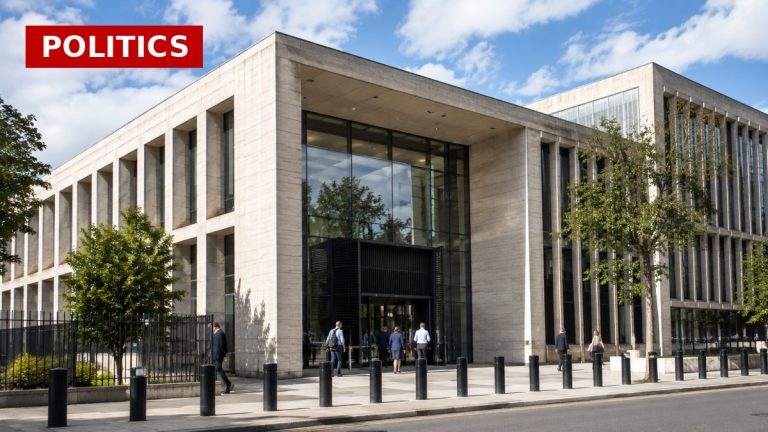
The opening of Israel’s first embassy in Slovenia has ignited significant protests in Ljubljana, highlighting a deep divide in public opinion. Thousands marched against Prime Minister Janez Jansa’s diplomatic shift, which starkly contrasts the previous government’s stance that condemned Israel’s actions in Gaza. This shift not only raises questions about Slovenia’s foreign policy but also reflects a broader trend of increasing tensions within the country.
The protests signal a growing discontent among Slovenians, with a recent poll indicating that 56% oppose closer ties with Israel. This disconnect between government actions and public sentiment could lead to political repercussions, including an impeachment bid against Jansa. The liberal opposition argues that the current foreign policy serves only Israel’s interests, further complicating Slovenia’s political landscape.
Moreover, the embassy’s inauguration coincides with a wave of international criticism against Israel, as countries like the UK impose trade bans on illegal settlements. This context amplifies the significance of Slovenia’s decision, suggesting that it may be perceived as a departure from the EU’s collective stance on Israel and Palestine.
As Slovenia navigates this diplomatic shift, the implications for its international relationships and domestic politics remain uncertain. The protests may not only impact Jansa’s government but could also influence Slovenia’s future foreign policy direction, particularly regarding its stance on the Israeli-Palestinian conflict.
Source: Al Jazeera