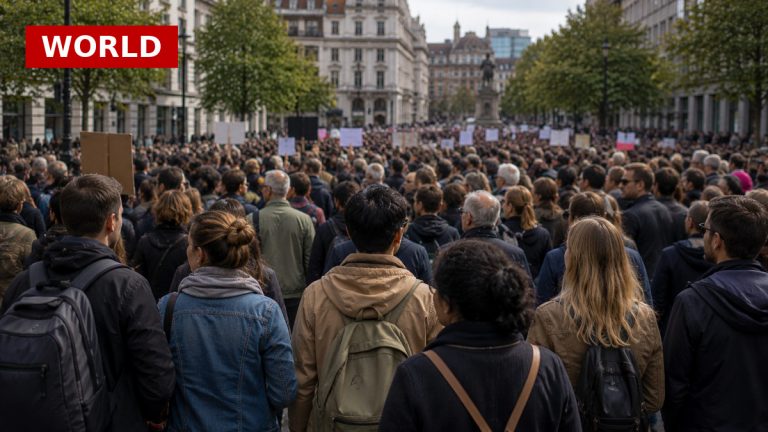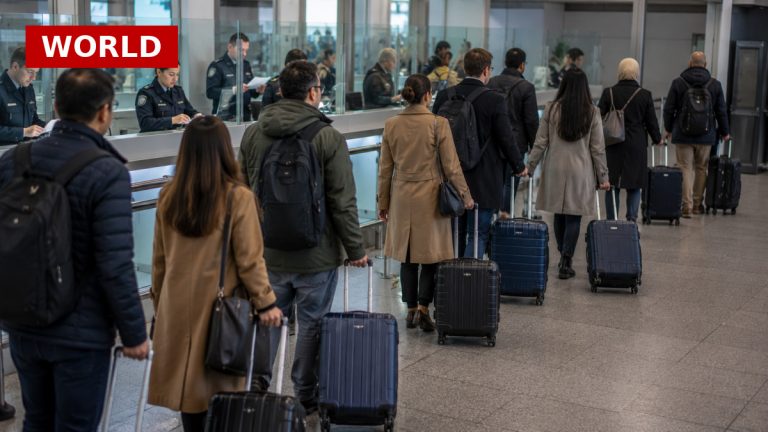
South Africa’s President Cyril Ramaphosa has introduced new measures aimed at curbing illegal migration, but skepticism remains high among citizens and anti-migrant groups. The proposed strategies include strengthening border security and addressing corruption within the immigration system. However, many believe these efforts fall short of tackling the root causes of migration, such as economic instability in neighbouring countries.
The looming deadline set by anti-migrant groups for undocumented migrants to leave South Africa has intensified tensions. Countries like Ghana and Malawi are already repatriating their citizens, raising concerns about potential diplomatic fallout. Ghana is even considering legal action against South Africa for the treatment of its nationals, highlighting the international implications of the crisis.
Experts warn that Ramaphosa’s plan lacks a comprehensive approach to the complex migration dynamics in the region. With over 3.3 million immigrants in South Africa, many of whom have settled and integrated into society, the government’s response could have lasting effects on social cohesion and economic stability.
As protests continue and public sentiment hardens, the challenge for Ramaphosa will be to balance national security with the need for a humane and effective immigration policy. The outcome of this situation could reshape South Africa’s relationship with its neighbours and influence migration patterns across the continent.
Source: DW News