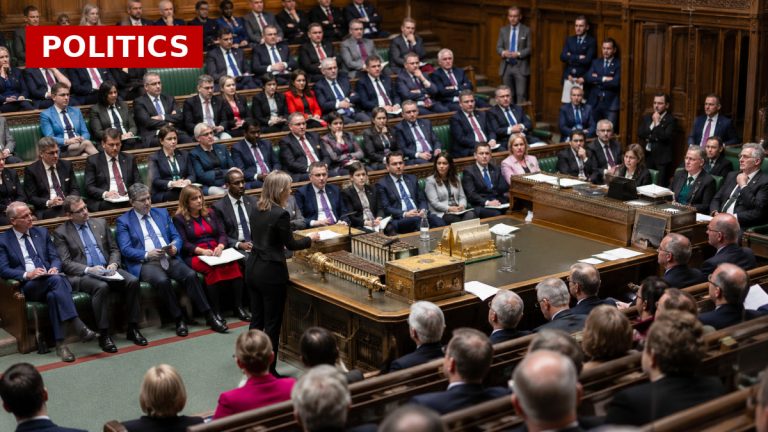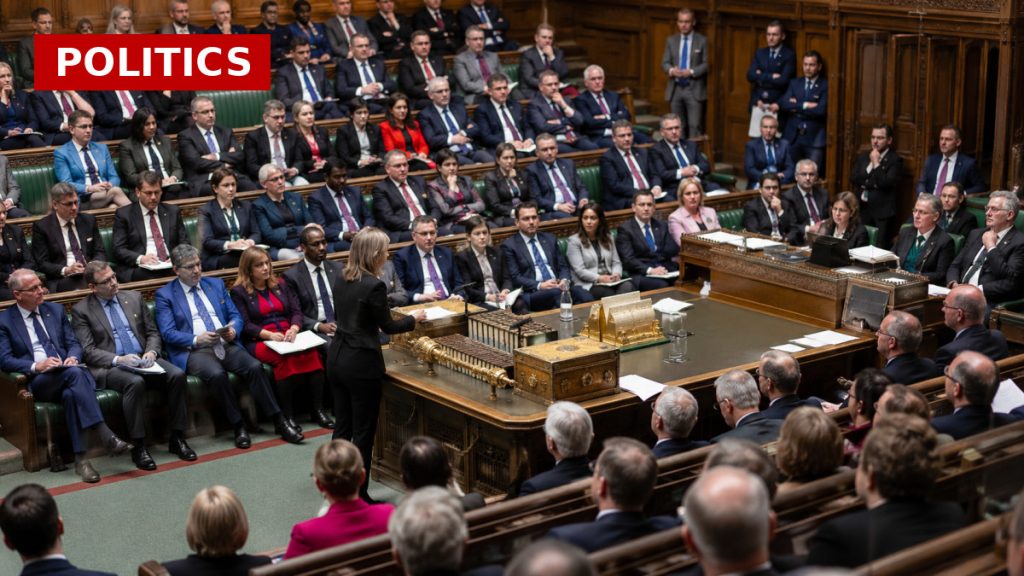
UK Prime Minister Keir Starmer has reaffirmed his commitment to remain in office despite a junior minister’s resignation and mounting calls for his departure. This follows significant losses for the Labour Party in recent local elections, which many view as a referendum on Starmer’s leadership. Over 70 Labour backbenchers have expressed dissatisfaction, urging him to either resign or outline a timeline for stepping down.
Starmer’s insistence on staying comes as he grapples with the party’s declining popularity and internal dissent. Critics, including the resigned minister Miatta Fahnbulleh, argue that the government has failed to deliver on its promises, particularly regarding economic growth and public service improvements. This discontent reflects broader concerns about Labour’s direction and effectiveness.
For the UK public, this political instability may lead to uncertainty in governance and policy-making, particularly as the country faces ongoing challenges like the rising cost of living. If Labour continues to struggle, it could impact future elections and the political landscape, potentially leading to shifts in party support.
Looking ahead, observers should monitor Labour’s upcoming legislative plans and any further resignations or calls for leadership changes. The party’s ability to regain public confidence will be crucial as it prepares for future electoral contests.
Sources
Euronews