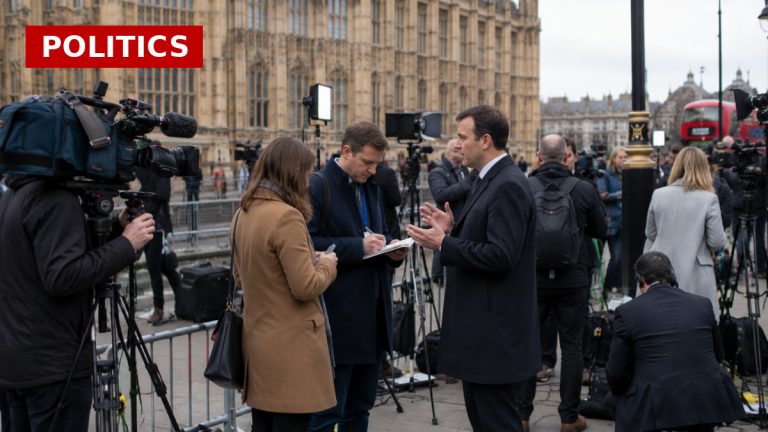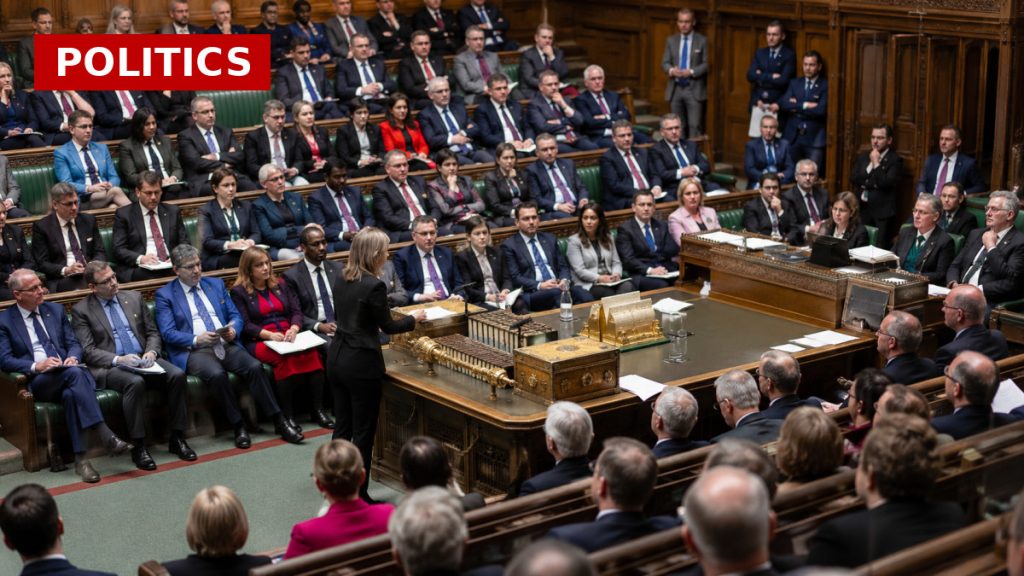
Keir Starmer’s last Prime Minister’s Questions (PMQs) showcased a surprising warmth from his political opponents, particularly from Kemi Badenoch. Her heartfelt tribute and light-hearted jests marked a notable shift from the usual combative atmosphere of the Commons. This moment of camaraderie highlights a rare instance where political rivals can acknowledge each other’s humanity, a refreshing change in a landscape often dominated by hostility.
As Starmer prepares to step down, the emotional responses from his cabinet reveal the uncertainty ahead for many Labour MPs. The camaraderie displayed during his farewell may mask deeper anxieties about their political futures, especially as they face potential demotions or losses in the upcoming reshuffle. The emotional weight of this transition underscores the fragility of political careers, where today’s allies may quickly become tomorrow’s rivals.
Starmer’s tenure, described as ‘mid-table’, reflects a broader narrative of political performance where popularity often peaks at the end of a term. This phenomenon raises questions about the effectiveness of leadership styles that prioritize stability over charisma. As he exits, the sentimentality of his farewell may serve as a reminder of the human side of politics, often overshadowed by the relentless pursuit of power.
In a landscape where political theatre is commonplace, Starmer’s final PMQs offered a glimpse of what could be—a more compassionate political discourse. As the Labour Party looks to the future, the challenge will be to maintain this spirit of decency amid the inevitable challenges that lie ahead.
Source: The Guardian