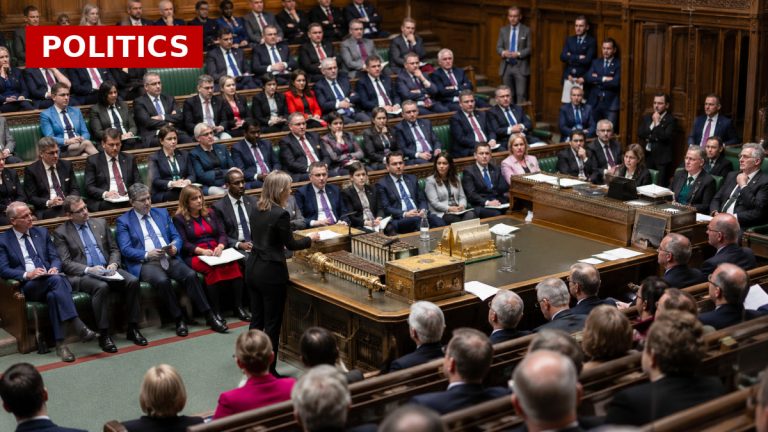
In a revealing interview, outgoing Prime Minister Sir Keir Starmer highlighted the challenges his successor, Andy Burnham, will face, particularly the intertwining of domestic and international issues. Starmer emphasized that global conflicts will demand as much attention as pressing UK matters like the cost of living crisis. This perspective suggests that Burnham’s leadership may not allow for a singular focus on domestic policies, contrary to the hopes of some Labour supporters.
Starmer’s comments reflect a broader reality: the increasing complexity of governance in a world marked by instability. The expectation that a prime minister can prioritize domestic issues while neglecting international diplomacy is becoming outdated. As Burnham prepares to step into this role, he will need to balance these competing demands, which could shape his policy decisions and public perception.
Moreover, Starmer’s resignation marks a significant shift in Labour’s leadership dynamics, potentially impacting party unity and strategy moving forward. His acknowledgment of the personal toll of stepping down adds a human element to the political narrative, illustrating the emotional weight of leadership.
As Burnham takes the helm, the implications of Starmer’s warnings may resonate throughout his tenure, influencing not only his approach to governance but also the Labour Party’s positioning in a rapidly changing political landscape.
Source: BBC News