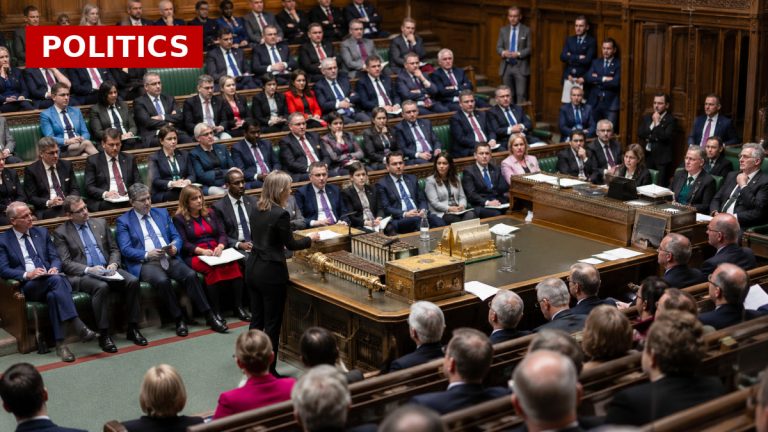
Sir Keir Starmer’s resignation as Prime Minister and Labour leader marks a significant turning point for the party and the UK political landscape. His departure, prompted by internal pressures, raises questions about the future direction of Labour and the potential for a shift back to its traditional roots. Starmer’s leadership was characterised by attempts to modernise the party, but many feel he strayed too far from its core values, leading to discontent among MPs and supporters alike.
The implications of this leadership change extend beyond Labour itself. With Andy Burnham likely to step in, there is speculation about how his policies might differ and whether he can unite a divided party. This transition comes at a time when the UK faces pressing issues such as the economy, healthcare, and social justice, making the choice of the next leader critical for addressing these challenges effectively.
Starmer’s resignation also highlights the ongoing instability within UK politics, with six prime ministers in a decade. This trend raises concerns about governance and public trust, as frequent leadership changes can disrupt policy continuity and create uncertainty for citizens and businesses alike.
As Labour prepares for a new leader, the party’s ability to reconnect with its base and present a clear vision for the future will be crucial. The next few months will be pivotal in determining whether Labour can regain its footing and offer a viable alternative to the current government, or if it will continue to struggle under the weight of its recent history.
Source: Metro