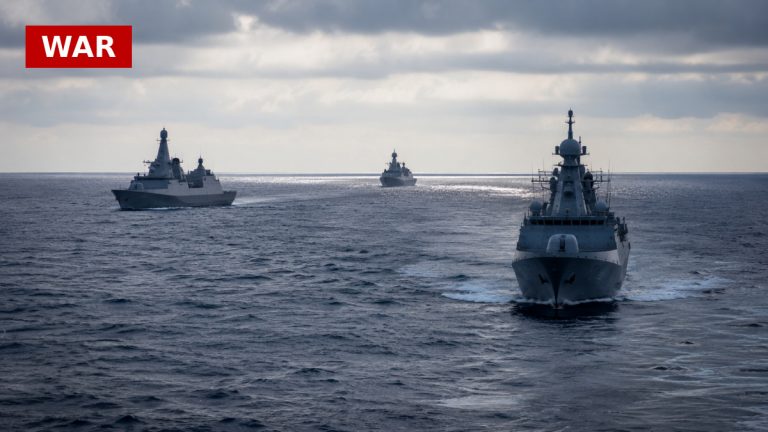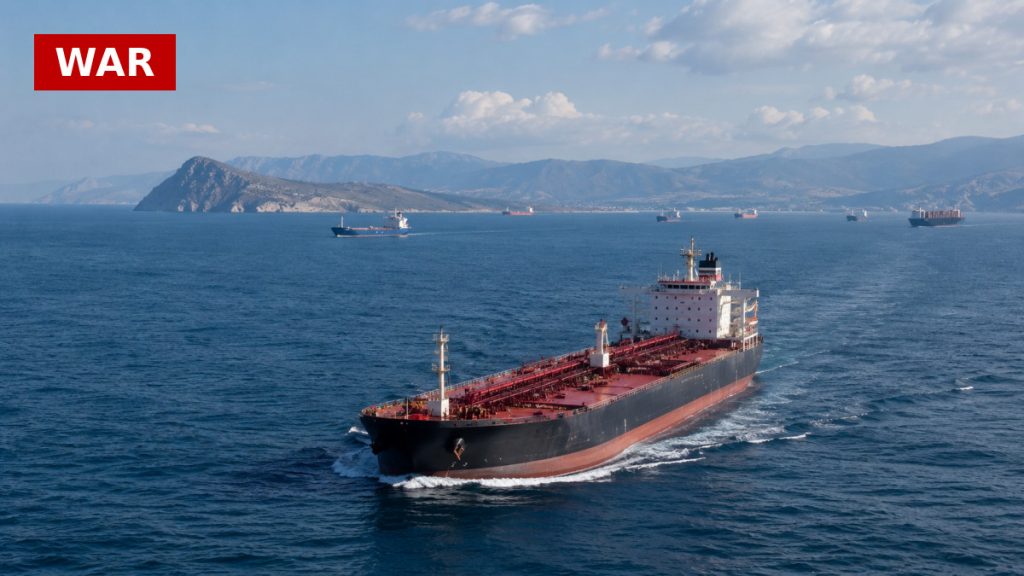
The recent US strikes near Bandar Abbas highlight the port city’s critical role in the ongoing tensions between the US and Iran. Located at the Strait of Hormuz, Bandar Abbas is vital for controlling one of the world’s busiest shipping lanes, through which a significant portion of global oil supplies transit. This strategic positioning not only bolsters Iran’s military capabilities but also serves as a crucial economic lifeline, with over 90% of Iranian crude shipments passing through the strait.
As the US aims to limit Iran’s influence in the region, these military actions are part of a broader strategy to assert control over maritime routes. The ongoing military engagements, while described as limited, reflect a complex interplay of military posturing and diplomatic negotiations. The US seeks to demonstrate its capability to challenge Iran’s naval operations, while Iran aims to maintain its perceived control over the Strait of Hormuz.
For the UK, the implications of these tensions could be significant. As a major importer of oil, any disruption in the Strait of Hormuz could lead to increased fuel prices and impact energy security. The situation underscores the interconnectedness of global trade and the potential ripple effects on household budgets and business costs in the UK.
As negotiations continue alongside military actions, the situation remains fluid. Observers should monitor how these developments may influence not only regional stability but also the broader economic landscape, including energy prices and trade routes that are crucial for the UK economy.
Source: Al Jazeera