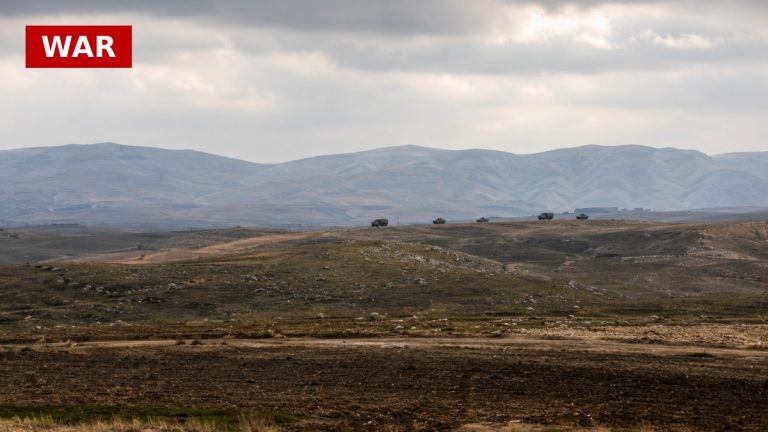
The destruction of the Kakhovka Dam in June 2023 has transformed the battlefield dynamics in southern Ukraine. With the reservoir drained, Russian forces are now using the exposed terrain for reconnaissance, taking advantage of the dense vegetation that has flourished in the absence of water. This area, once a significant water barrier, has become a tactical zone where both sides engage in smaller-scale operations, complicating traditional combat strategies.
The drained landscape presents unique challenges for both Russian and Ukrainian troops. While the terrain allows for some movement, it is still fraught with obstacles such as smaller streams and dense thickets, making large troop movements difficult. This shift has led to a new type of combat, where ambush tactics and smaller patrols are more common, as both sides adapt to the changing environment.
The strategic importance of this area cannot be overstated. It serves as a natural barrier between the two forces, complicating any potential advances. The Dnipro River remains a formidable obstacle, and the ongoing battles for control of nearby Zaporizhzhia highlight the region’s significance. Despite Russian claims of territorial control, the challenges posed by the river and the dam area continue to hinder their progress.
As the conflict evolves, the implications of the Kakhovka Dam’s destruction extend beyond immediate military tactics. The changing landscape may influence future operations, with both sides needing to reconsider their strategies in light of the new terrain. This situation underscores the ongoing volatility of the region and the critical role that environmental factors play in modern warfare.
Source: France 24