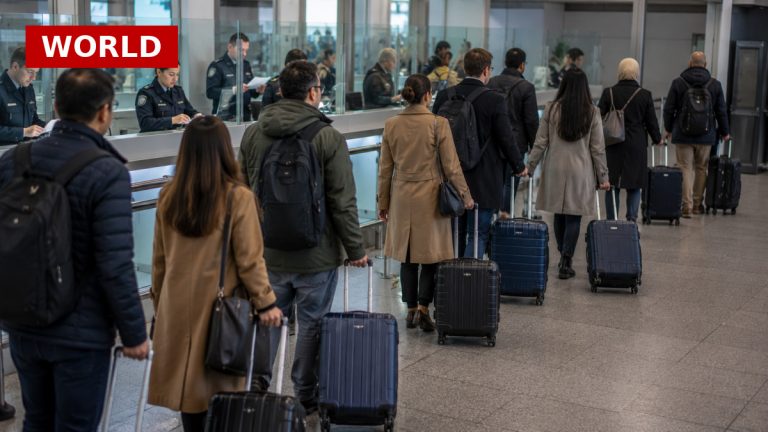
The recent Supreme Court decision allows the Trump administration to block asylum seekers from entering the US at the southern border, fundamentally reshaping the asylum process. This ruling revives the controversial ‘turn-back’ policy, which permits federal agents to prevent migrants from physically stepping onto US soil, where they would typically have the right to claim asylum.
This change could have dire implications for vulnerable populations fleeing violence and persecution. Critics argue that the ruling undermines international asylum laws, potentially leading to increased humanitarian crises as migrants are left stranded in dangerous conditions in Mexico.
The decision reflects a broader trend of tightening immigration policies, which advocates warn could result in more lives lost as desperate individuals seek unsafe crossings rather than official ports of entry. The ruling is seen as a significant victory for those who view asylum as a barrier to stricter border control.
As the situation develops, the potential reimplementation of the metering policy raises concerns about the future of asylum seekers and the legal protections they have historically relied upon. The implications of this ruling will likely resonate beyond the border, affecting international perceptions of the US’s commitment to human rights and refugee protection.
Source: The Guardian