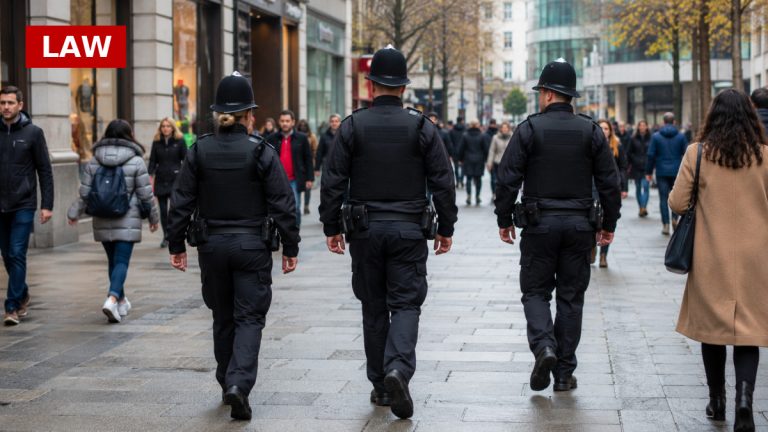
Surrey Police officers are now required to write personal essays reflecting on their force’s stance on racism as part of their diversity training. This initiative has ignited a debate about the effectiveness and necessity of such programs, especially amidst accusations of ‘two-tier policing’ where different standards are perceived to apply based on race. Critics argue that these mandatory reflections divert attention from essential policing duties and may even create a culture of fear among officers, who worry about repercussions for their views.
The push for diversity, equity, and inclusion (DEI) training has been met with backlash from political figures who label it a misuse of taxpayer funds. Shadow Justice Secretary Nick Timothy has called for the abolition of DEI roles, suggesting that the focus should shift back to crime-solving rather than ideological training. This sentiment echoes concerns that such training may inadvertently hinder officers’ ability to respond effectively in critical situations, as seen in the tragic case of Henry Nowak.
The controversy raises questions about the balance between fostering an inclusive police culture and maintaining operational effectiveness. As the public debates the merits of DEI training, the implications for police-community relations and overall public safety remain significant. The ongoing scrutiny of these programs could lead to broader reforms in how police forces across the UK approach diversity training.
As Surrey Police navigates this contentious landscape, the outcomes of these training programs may have lasting effects on both officer morale and community trust. The challenge lies in ensuring that efforts to address racism do not compromise the fundamental responsibilities of law enforcement.
Source: GB News