Sweden’s recent general election has resulted in a narrow victory for the left-wing bloc, potentially reversing the country’s strict migration policies. Former Prime Minister Magdalena Andersson’s coalition is projected to gain 175 seats in the Riksdag, which could lead to a significant shift in Sweden’s approach to immigration.
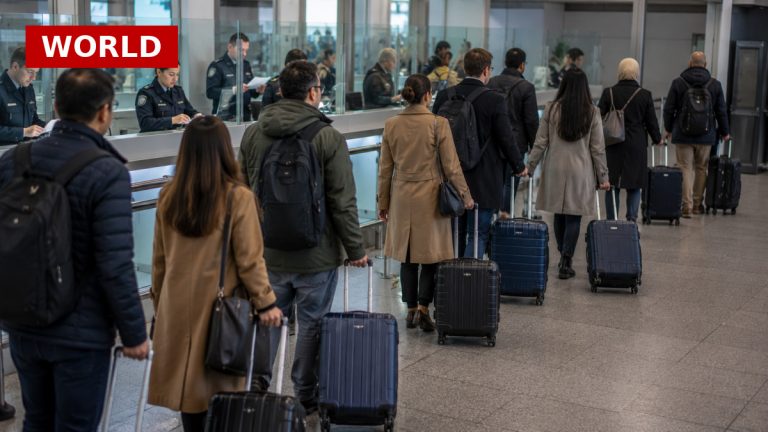
The right-wing coalition, led by incumbent Prime Minister Ulf Kristersson, had successfully reduced net migration to its lowest levels in over 40 years. However, with the left now in power, there are concerns that open-door policies may return, impacting the current trajectory of immigration control.
This election outcome may also affect Sweden’s international relations, particularly with the UK, as the country has deported more British citizens than any other European nation post-Brexit. The left-wing coalition will need to navigate ideological differences among its members, which could complicate governance and policy implementation.
Despite the left’s victory, some analysts believe that the trend towards stricter migration policies may persist, indicating a complex future for Sweden’s immigration landscape. The implications of this election could resonate beyond Sweden, influencing migration debates across Europe.
Source: GB News