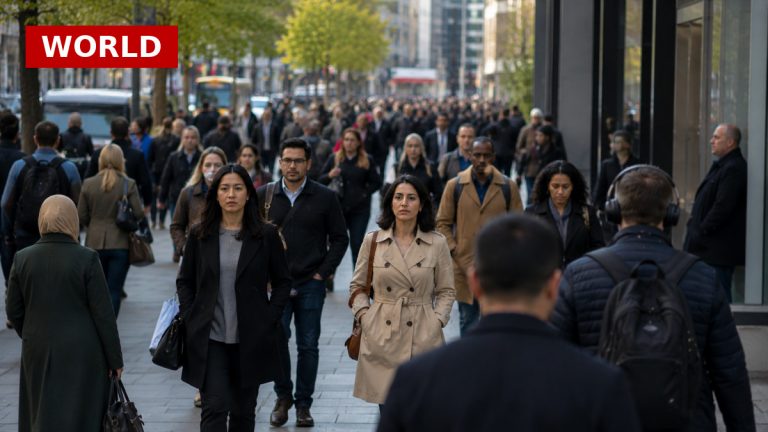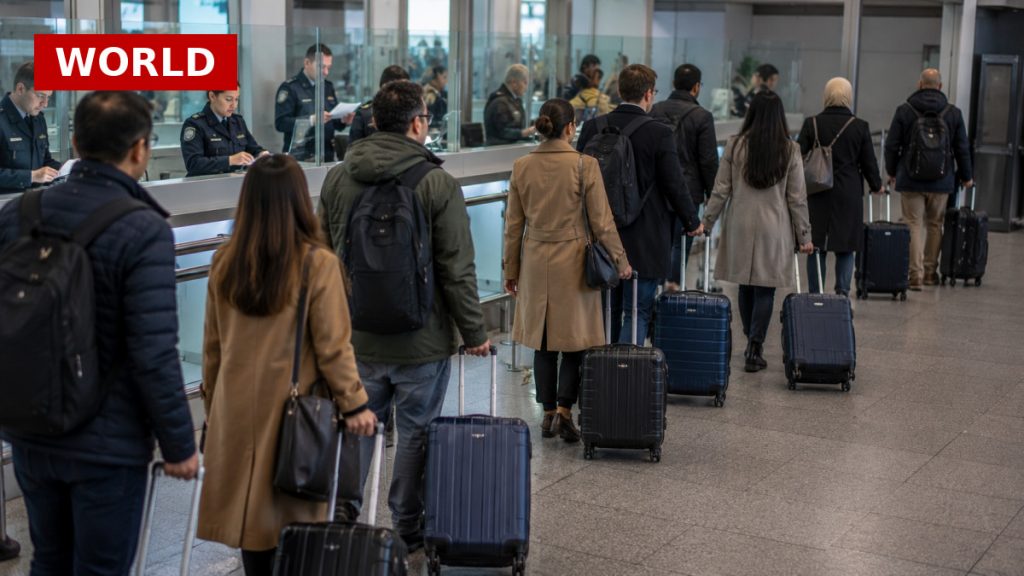
In a significant referendum, Swiss voters have rejected a proposal to cap the country’s population at 10 million, a move that could have reshaped immigration policies and Switzerland’s relationship with the EU. The proposal, backed by the far-right Swiss People’s Party (SVP), aimed to impose strict limits on immigration and family reunification, which would have been triggered if the population reached 9.5 million before 2050.
The rejection, with about 55% voting against, reflects a broader concern among voters about the potential economic and social repercussions. Many feared that limiting population growth could jeopardise access to the EU’s single market and disrupt the labour market, particularly in sectors reliant on foreign workers. The SVP’s narrative of sustainability and infrastructure strain did not resonate sufficiently with the electorate, who expressed worries about the negative consequences of such a drastic measure.
This outcome underscores the complexities of Swiss direct democracy, where initiatives can be put to a vote if they gather enough support. The defeat of the population cap proposal signals a rejection of extreme immigration policies, amidst rising anti-immigrant sentiment in Europe. It highlights the balancing act Switzerland faces between maintaining its economic prosperity and addressing public concerns about population growth.
As the country continues to navigate its demographic challenges, the decision may influence future political discourse around immigration and integration, especially as Switzerland’s population has grown significantly since the introduction of free movement agreements with the EU. The implications of this vote extend beyond borders, affecting how Switzerland engages with its European neighbours in the years to come.
Source: The Guardian