Tanzania’s President Samia Suluhu Hassan is making headlines with her three-day visit to Russia, marking the first such visit by a Tanzanian leader since 1969. This trip comes at a time when Tanzania’s relations with Western nations have deteriorated, particularly following allegations of human rights abuses during recent elections. The significance of this visit lies not only in the historical context but also in the potential for Tanzania to strengthen ties with Russia amid Western sanctions.
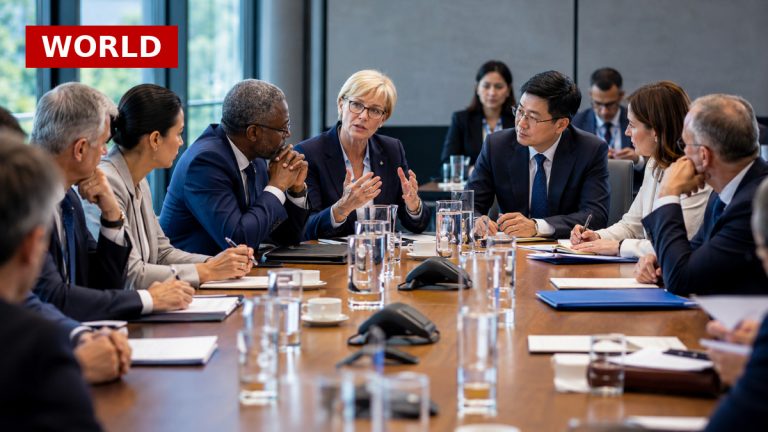
Hassan’s delegation includes business leaders aiming to forge new trade agreements, particularly in tourism and minerals, which could reshape Tanzania’s economic landscape. The establishment of a new Russia-Tanzania Business Council earlier this year indicates a strategic move to enhance bilateral trade, currently valued at around $307 million annually. This shift could provide Tanzania with alternative economic partnerships as Western funding dwindles.
Moreover, the visit sends a clear message to Western nations about Russia’s enduring influence in Africa. By engaging with Russia, Tanzania may be attempting to counteract its tarnished image in the West, where it faces criticism for its handling of dissent and election violence. This diplomatic pivot could have long-term implications for Tanzania’s foreign relations and economic stability.
As Hassan participates in the St. Petersburg International Economic Forum and receives an honorary degree, the mixed reactions at home reflect a nation at a crossroads. While some celebrate the potential for new investments, others criticize the alignment with a country historically viewed through a Cold War lens. This visit could redefine Tanzania’s role on the global stage, highlighting the complexities of international diplomacy in a changing world.
Source: DW News