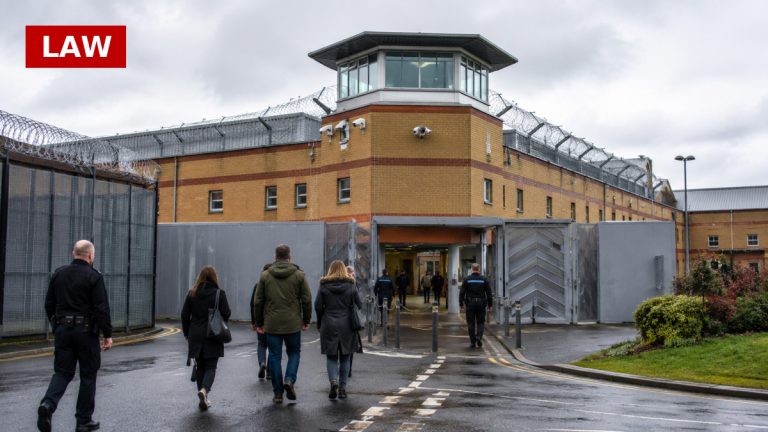
Andrew and Tristan Tate are set to fight their extradition to the UK, where they face serious charges including rape and sex trafficking. Their lawyer claims the brothers are victims of a politically motivated attack, suggesting their arrests are linked to their controversial public personas and recent meetings in Washington, DC.
The Tates, known for their polarising views on masculinity and relationships, have amassed a significant following online. However, their legal troubles have intensified, with a total of 59 charges now filed against them. The implications of their extradition could resonate beyond their personal cases, potentially influencing public discourse around online influencers and accountability.
As US authorities deliberate on the extradition request, the outcome may set a precedent for how similar cases involving social media figures are handled in the future. The Tates’ claims of a ‘witch hunt’ could also spark discussions about the intersection of politics and social media influence, raising questions about the legal system’s response to public figures.
The situation highlights the vulnerabilities of high-profile individuals in the digital age, where public opinion can significantly impact legal proceedings. As the case unfolds, it will be crucial to monitor how it affects both the Tates and the broader landscape of online content creation and regulation.
Source: DW News