Iran’s Pickaxe Mountain, an underground nuclear site, has become a focal point of tension between the U.S. and Iran. President Trump has threatened military action against this site, which is believed to be heavily fortified and potentially capable of housing advanced centrifuges for uranium enrichment. The depth of the facility, estimated to be between 80 to 100 meters underground, raises concerns about the effectiveness of conventional military strikes.
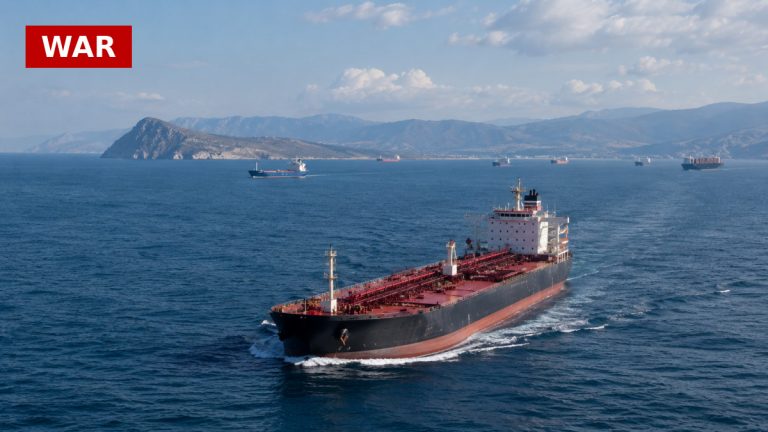
The implications of this threat extend beyond immediate military concerns. If the U.S. were to strike, it could escalate tensions in the region, impacting global oil markets and international relations. The Strait of Hormuz, a critical shipping route, could see increased military presence and potential conflict, affecting trade and energy prices worldwide.
Moreover, the ongoing developments at Pickaxe Mountain highlight the complexities of nuclear non-proliferation efforts. Iran’s insistence that its nuclear program is peaceful contrasts sharply with the U.S. and Israel’s fears of a nuclear-armed Iran. This situation could lead to a renewed arms race in the Middle East, as neighboring countries may feel compelled to enhance their own military capabilities.
As the situation evolves, the international community will need to navigate these tensions carefully. The potential for miscalculation or unintended consequences remains high, making diplomatic solutions increasingly urgent to prevent further escalation and ensure regional stability.
Source: PBS News