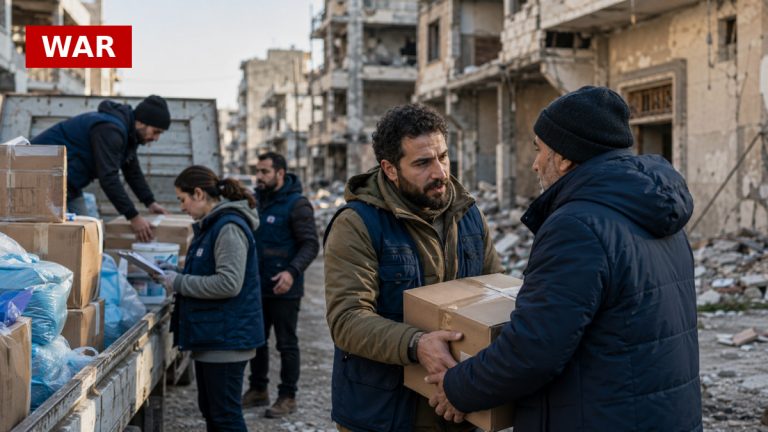
Recent airstrikes by Pakistan in Afghanistan have resulted in the deaths of at least 13 individuals, including 11 children. This incident marks a significant escalation in the already fraught relations between the two nations, which have been marked by accusations of cross-border terrorism and military aggression. The Taliban government in Afghanistan has condemned the strikes as a humanitarian crime, reflecting the deepening humanitarian crisis in the region.
The air raids occurred in the provinces of Kunar, Khost, and Paktika, areas that have seen relative calm until now. The timing of these attacks is particularly concerning, as they follow a recent uptick in violence, including an attack by suspected TTP fighters on a Pakistani security post. This cycle of retaliation raises questions about the stability of the border regions and the safety of civilians caught in the crossfire.
The United Nations has reported a significant number of civilian casualties due to cross-border fighting, with hundreds of Afghans killed or injured in just the first quarter of 2026. This ongoing violence not only threatens the lives of innocent people but also complicates humanitarian efforts in an already vulnerable region.
As both countries grapple with internal security issues and external pressures, the potential for further conflict remains high. The lack of dialogue and mutual accusations only serve to exacerbate the situation, leaving civilians at risk and humanitarian needs unmet. The international community may need to intervene to prevent further escalation and protect vulnerable populations in both nations.
Source: Al Jazeera