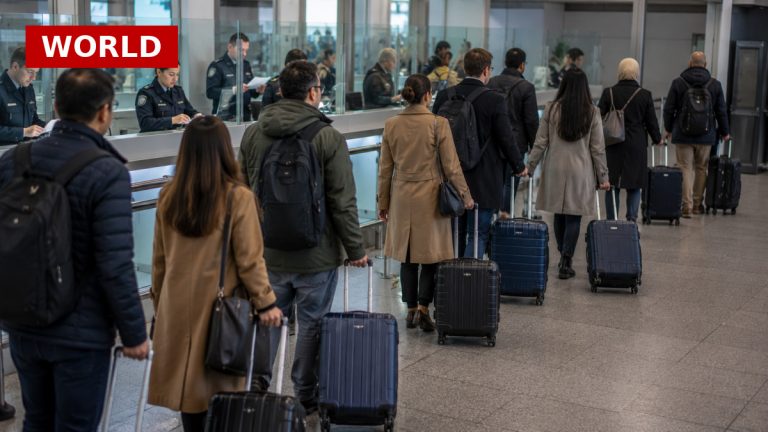
The recent surge of migrants attempting to cross into Ceuta from Morocco has resulted in a tragic death toll of at least 72 individuals. This crisis has drawn attention to the dangerous conditions faced by those seeking a better life in Europe, with many drowning or being crushed during the perilous journey. The situation has prompted urgent calls for coordinated action among EU member states, highlighting the complexities of migration policy and border security.
As over 60,000 migrants surged into Ceuta, Spanish authorities have begun implementing measures such as a floating barrier to manage future crossings. While many migrants have returned to Morocco, the humanitarian implications of this crisis are profound. The deaths underscore the desperation that drives individuals to risk their lives, raising questions about the adequacy of current migration policies and the support systems in place for those fleeing hardship.
The Spanish government has faced criticism for its handling of the situation, with some arguing that its relatively open stance on migration may have inadvertently encouraged the influx. However, officials maintain that those who entered Ceuta irregularly cannot continue to mainland Spain, complicating the narrative around migration incentives.
As the situation stabilises, the focus shifts to long-term solutions that address the root causes of migration. The deaths in Ceuta serve as a stark reminder of the human cost of border policies and the urgent need for a comprehensive approach to migration that prioritises safety and dignity for all individuals involved.
Source: Al Jazeera