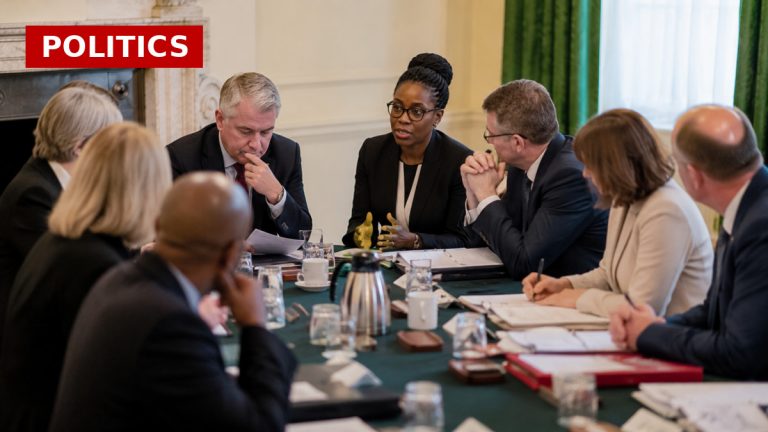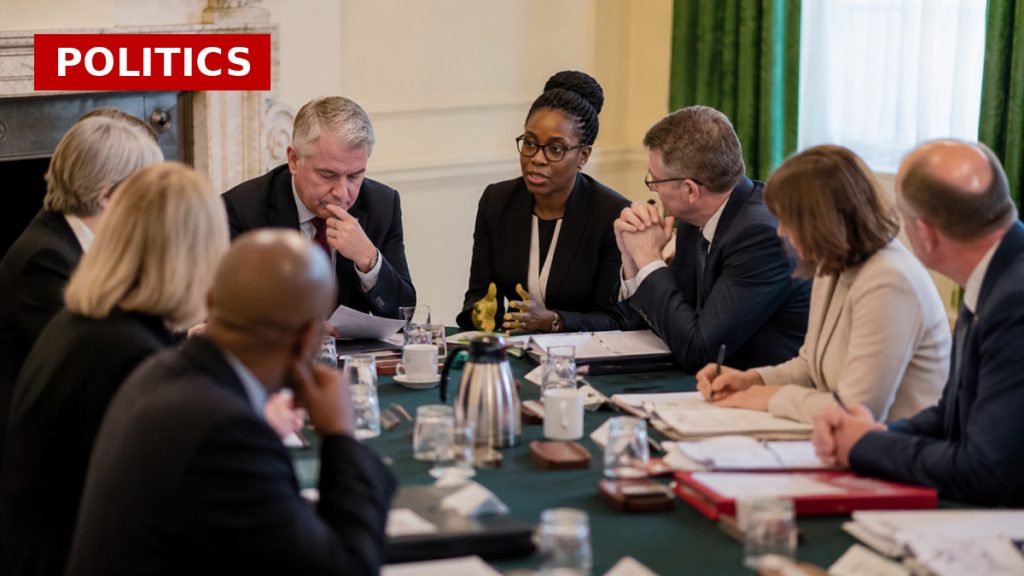
Donald Trump’s recent endorsement of a united Ireland has unexpectedly galvanized nationalist leaders in the UK. This week, key figures from the Scottish National Party, Plaid Cymru, and Sinn Féin are set to convene in Cardiff to formalize their commitment to independence referendums in their respective nations. This meeting, while framed as a collaboration among party leaders, signals a significant shift in the political landscape, potentially undermining the unity of the UK.
The implications of this gathering extend beyond mere political posturing. With the UK government firmly opposed to any referendums since the 2014 Scottish vote, the nationalist leaders’ actions could intensify calls for independence, challenging the status quo. The meeting’s outcomes may also influence public sentiment, as leaders emphasize the right of their nations to self-determination, echoing sentiments from the Good Friday Agreement.
Trump’s remarks have ignited a debate that could reshape the future of the UK. His assertion that Irish unity is inevitable has drawn sharp criticism from UK political figures, yet it resonates with nationalist aspirations. This could lead to increased activism and pressure on the UK government to reconsider its stance on referendums, particularly if public support for independence grows.
As these discussions unfold, the potential for a coordinated push for independence across Scotland, Wales, and Northern Ireland could emerge. The meeting in Cardiff may mark the beginning of a more unified front among nationalist parties, fundamentally altering the political dynamics within the UK and raising questions about its future cohesion.
Source: GB News