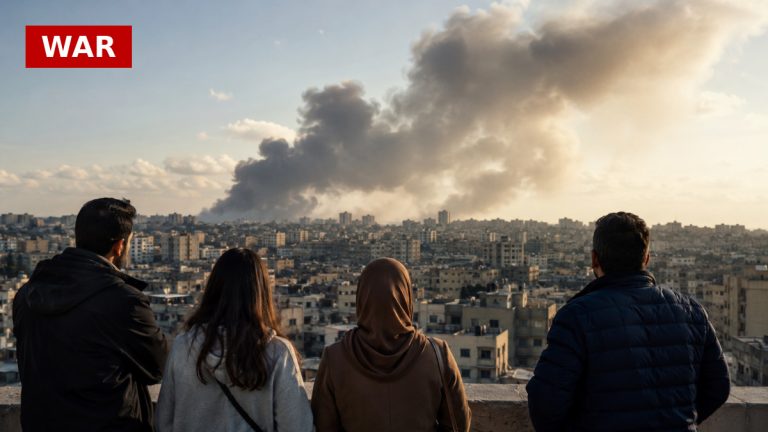
Former President Donald Trump has defended a recent memorandum of understanding (MoU) between the US and Iran, claiming it signifies Iran’s ‘unconditional surrender.’ This assertion comes amid rising tensions as negotiations face delays, particularly with Vice President JD Vance cancelling a trip to Switzerland intended to address key issues outlined in the MoU. The deal aims to halt hostilities in the ongoing US-Israeli conflict with Iran, but its future is now uncertain due to Israel’s military actions in Lebanon.
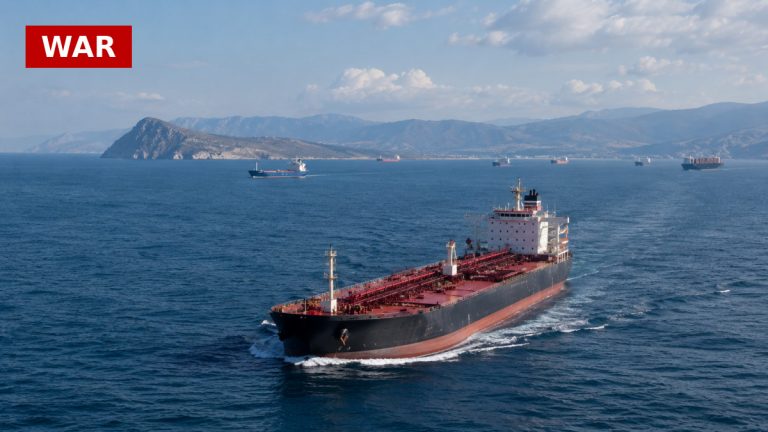
Trump’s comments suggest a significant shift in US-Iran relations, with implications for regional stability. He argues that the MoU will lead to the reopening of the Strait of Hormuz and the lifting of sanctions on Iran, which could reshape economic dynamics in the region. Critics, including some Republicans, have expressed concerns that the agreement may empower Iran rather than diminish its influence, highlighting a divide in US foreign policy approaches.
The MoU includes a negotiation period of 60 days, during which critical issues such as Iran’s nuclear programme and the release of frozen assets will be discussed. Trump’s framing of the deal as a victory for the US could influence public perception and future policy decisions, particularly if the situation escalates further.
As the US navigates this complex diplomatic landscape, the potential for renewed conflict looms large. The outcome of these negotiations could have lasting effects on US-Israeli relations and the broader Middle East, making it essential for observers to monitor developments closely.
Source: Al Jazeera