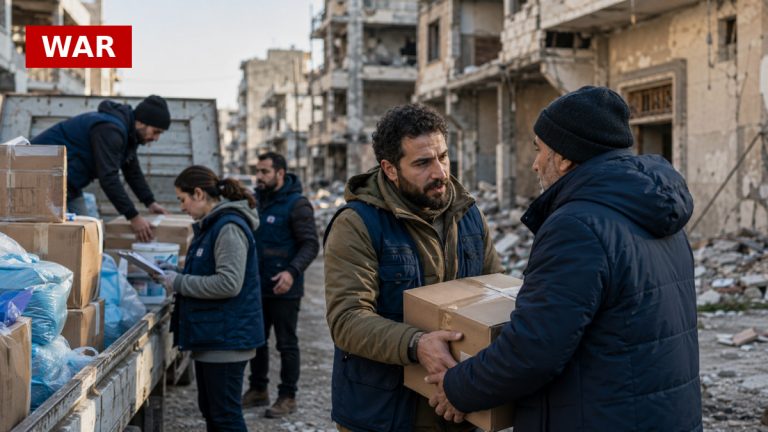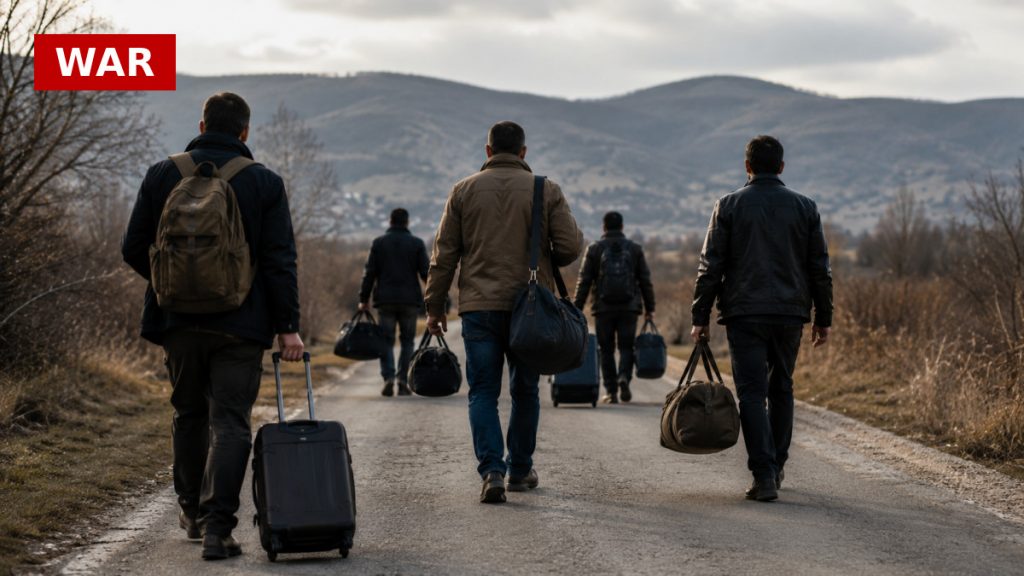
The situation in Nabatieh, Lebanon, has reached a critical point as ongoing Israeli attacks have created dire humanitarian conditions. Medical aid group Doctors Without Borders (MSF) describes the area as resembling a ‘death trap,’ with civilians trapped under heavy shelling and emergency responders unable to reach them safely. Reports indicate that at least 50 people have died, including a soldier, highlighting the severe toll of the violence.
The escalation follows a Hezbollah attack that resulted in Israeli casualties, prompting a series of retaliatory strikes across southern Lebanon. Despite claims of a ceasefire from US President Donald Trump, Israeli military operations have continued, further complicating the humanitarian response. MSF has reported an influx of severely injured individuals, including paramedics caught in the crossfire, underscoring the urgent need for safe evacuation routes.
The situation is exacerbated by the impending peace talks between the US and Iran, with Tehran insisting that any agreement must address the ongoing conflict in Lebanon. As the violence persists, the international community faces pressure to intervene and ensure the protection of civilians and aid workers.
This crisis not only highlights the immediate dangers faced by those in conflict zones but also raises questions about the long-term implications for regional stability and humanitarian access. The need for a coordinated response is more urgent than ever as the humanitarian crisis unfolds in Nabatieh.
Source: Al Jazeera