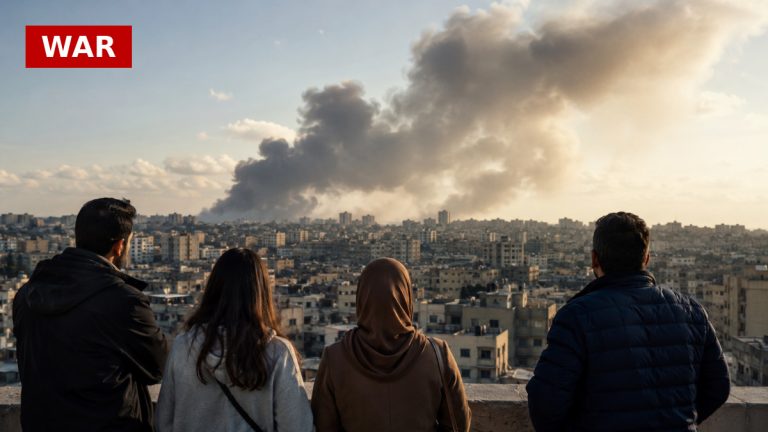
President Trump’s recent threats against Oman highlight the precarious position the sultanate occupies in the ongoing tensions between the U.S. and Iran. While Oman has traditionally maintained a low-profile role as a mediator, Trump’s frustration over its negotiations with Iran could destabilize the region further. The threat to bomb Oman, should it interfere with U.S. interests, underscores the potential for escalating conflict in an area critical for global oil and gas supplies.
Oman’s geographical location makes it a key player in the Strait of Hormuz, a vital shipping route. As Iran asserts control over this waterway, Oman is caught between the U.S. and Iran, complicating its diplomatic efforts. The ongoing discussions between Oman and Iran about safe navigation could lead to a deal that might ease tensions, but Trump’s threats could jeopardize these negotiations and provoke a military response.
The implications of this situation extend beyond immediate threats. If Oman feels pressured to align more closely with U.S. interests, it could alienate Iran, which has historically viewed Oman as a neutral party. This shift could disrupt the delicate balance of power in the Gulf, affecting not only regional security but also global energy markets.
As the U.S. approaches midterm elections, Trump’s rhetoric may be a reflection of domestic pressures rather than a strategic foreign policy move. However, the potential fallout from these threats could have lasting effects on Oman’s diplomatic relations and the stability of the region, making it a situation worth monitoring closely.
Source: PBS News