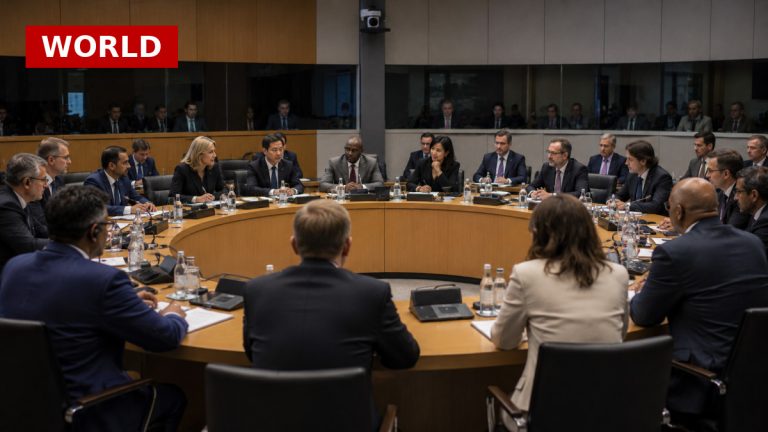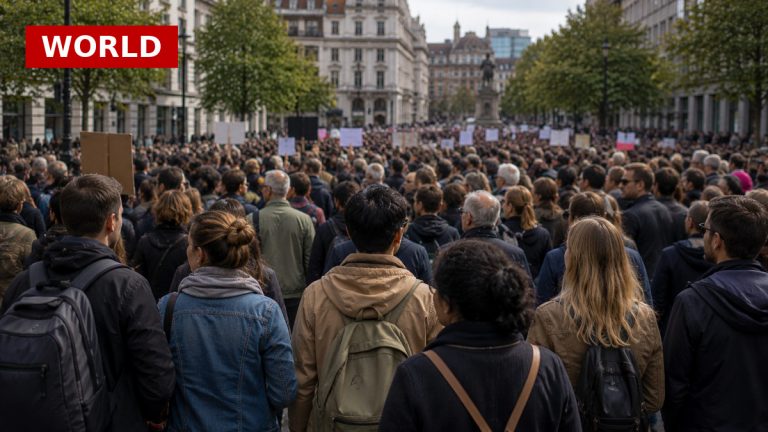
In the lead-up to a significant NATO summit in Ankara, Turkey has intensified its crackdown on dissent, arresting journalists, academics, and left-wing activists. This surge in detentions raises concerns about the state of press freedom and civil liberties in the country, as authorities impose strict bans on public gatherings.
The Turkish government, led by President Recep Tayyip Erdogan, appears to be using these arrests as a means to stifle opposition and prevent protests against NATO. Critics argue that this is a calculated move to intimidate those who might voice dissent during the high-profile event, which will see leaders from over 30 NATO member states in attendance.
Reports indicate that police operations have targeted various leftist groups and media outlets, with many detainees having no clear charges against them. This has sparked outrage among human rights advocates, who view these actions as a violation of fundamental rights and an attempt to silence critical voices.
As the summit approaches, the implications of this crackdown could extend beyond Turkey, affecting international perceptions of the country’s commitment to democratic values and human rights. The situation underscores the delicate balance between national security and civil liberties, raising questions about the future of dissent in Turkey.
Source: DW News