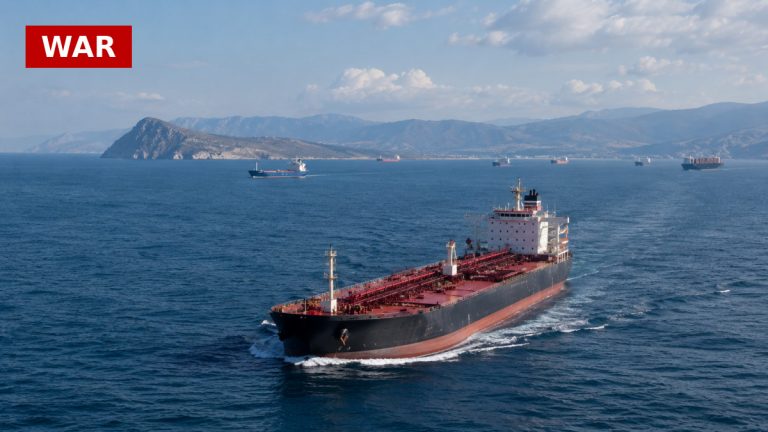
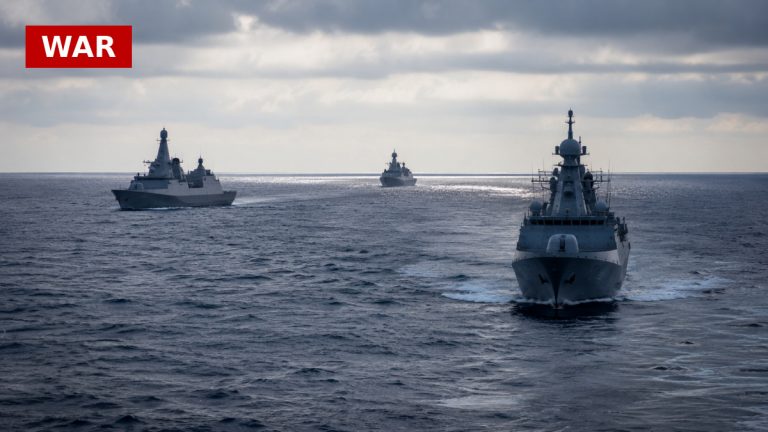
The recent U.S. military strikes against Iran mark a significant escalation in tensions, particularly following the downing of an Army Apache helicopter near Oman. This incident has not only heightened military confrontations but also poses potential risks to global energy markets, especially given the strategic importance of the Strait of Hormuz, a vital shipping lane.
The U.S. response, described as ‘proportional’ to Iranian aggression, could lead to further military engagements in the region. This escalation comes at a time when the fragile ceasefire between Iran and Israel is already under strain, with both nations exchanging fire recently. The implications for international relations are profound, as the U.S. and its allies may need to reassess their military strategies in the Middle East.
Moreover, the ongoing conflict has already begun to affect global energy prices, contributing to rising costs for consumers. As military actions intensify, the potential for disruptions in oil supply could lead to further economic repercussions, impacting household finances across the UK and beyond.
This situation serves as a reminder of the interconnectedness of global conflicts and their direct effects on daily life, from energy prices to national security considerations. The U.S. military’s actions may not only alter the dynamics in the Middle East but also reverberate through economies worldwide, including the UK.
Source: PBS News