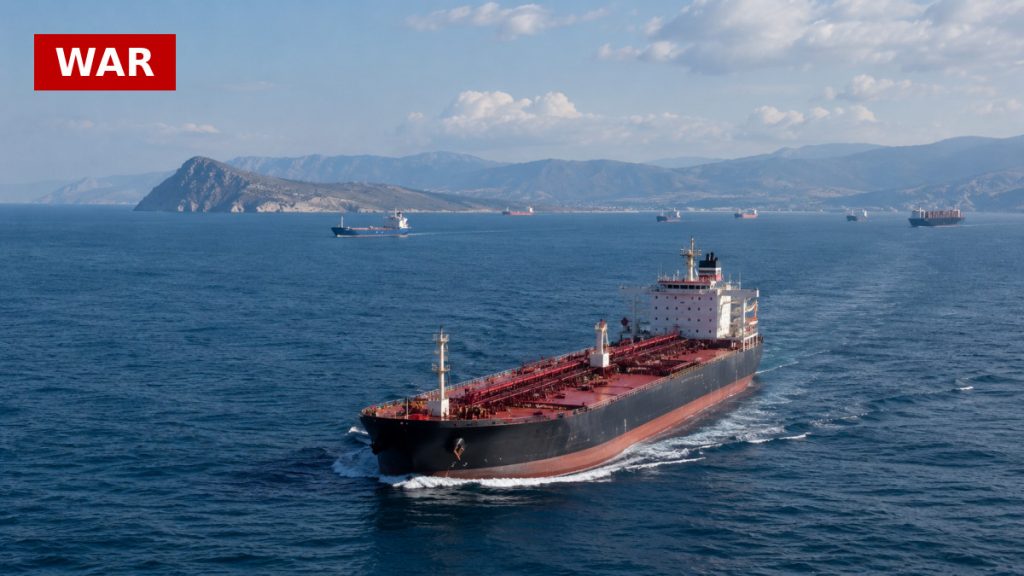
The United Arab Emirates (UAE) has intercepted an Iranian drone over its territorial waters, marking a significant escalation in regional tensions. This incident follows recent U.S. military actions against Iranian positions, which have already heightened fears of conflict in the strategically vital Strait of Hormuz, through which a substantial portion of global oil trade passes.
The UAE’s response highlights its vulnerability in the face of Iranian aggression, as the drone incident is seen as a direct threat to its sovereignty and security. This escalation could disrupt shipping routes and further destabilise the region, impacting global oil prices and trade flows. As tensions rise, the potential for miscalculations increases, which could lead to broader military confrontations.
Moreover, the UAE’s recent suspension of trade with Iran signals a shift in its foreign policy, aligning more closely with U.S. interests. This could have long-term implications for regional alliances and economic stability, as countries navigate the pressures of U.S. sanctions against Iran.
As the situation unfolds, the international community will be watching closely, as any further military actions could lead to significant economic repercussions, not only for the Gulf states but also for global markets reliant on oil from the region.
Source: PBS News