The recent ruling by the UK Court of Appeal to uphold the proscription of Palestine Action as a terrorist organisation has significant implications for activism and free speech in the UK. This decision categorises the group alongside established terrorist organisations, raising concerns about the potential criminalisation of protest activities. Critics argue that this classification misrepresents the group’s actions, which primarily involve property damage rather than violence against individuals.
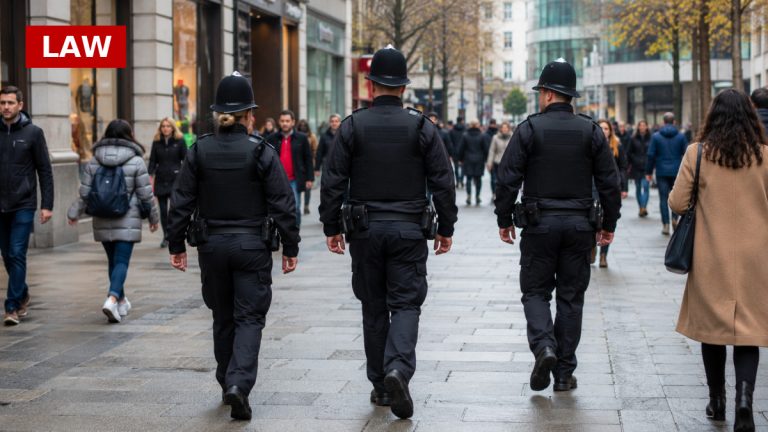
The ruling has already led to increased police activity against protesters supporting Palestine Action, with thousands arrested since the group’s proscription. This escalation in law enforcement could deter individuals from participating in similar protests, fundamentally altering the landscape of activism in the UK. The implications extend beyond Palestine Action, as this precedent may embolden the government to classify other dissenting groups as terrorists, further stifling free speech.
Palestine Action’s co-founder has announced plans to appeal the decision to the Supreme Court, indicating a potential legal battle that could redefine the boundaries of protest rights in the UK. The outcome of this case may influence how future protest movements are treated under the law, particularly those addressing contentious political issues.
As the situation develops, the ruling serves as a warning sign about the vulnerabilities of civil liberties in the face of government actions aimed at curbing dissent. The ongoing debate surrounding this issue highlights the tension between national security and the right to protest, a balance that will be crucial in shaping the future of activism in Britain.
Source: Al Jazeera