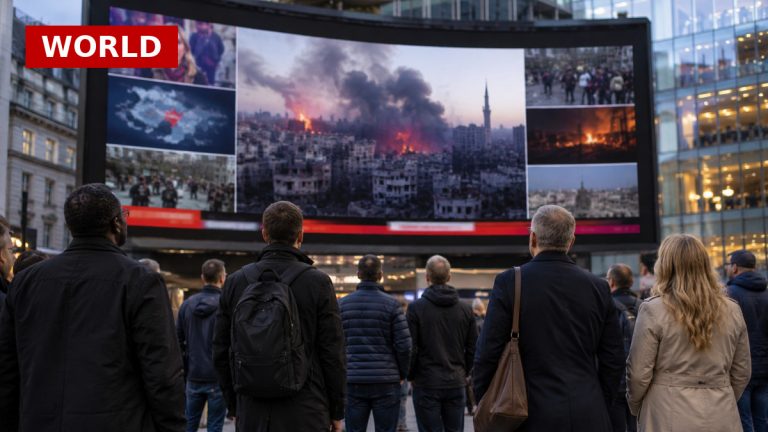
The UK government has announced a ban on trade with Israeli settlements in the occupied West Bank, a move that marks a significant shift in its foreign policy. This decision comes amid accusations of ‘ethnic cleansing’ against Palestinians by Israeli settlers, highlighting the growing international concern over the humanitarian situation in the region. The ban, which will take effect in six to nine months, prohibits imports from these settlements and restricts companies from providing services related to them.
The implications of this ban extend beyond trade; it signals a potential realignment of diplomatic relations between the UK and Israel. The Israeli government has reacted strongly, threatening to close the British consulate in Jerusalem and expelling UK representatives from joint military operations. This escalation could lead to increased tensions not only in the Middle East but also within the UK, as concerns about rising antisemitism and sectarian divisions grow.
Moreover, the UK’s stance reflects a broader trend among Western nations, with France and Canada also taking similar actions. This collective response may pressure Israel to reconsider its settlement policies, which many view as a barrier to peace and the establishment of a viable Palestinian state. The economic impact of the ban is expected to be limited, but its symbolic significance could resonate deeply in international relations.
As the situation unfolds, the UK government faces the challenge of balancing its foreign policy with domestic concerns, particularly regarding community relations and the potential for increased antisemitic sentiment. The coming months will be crucial in determining how this policy shift affects both the UK’s international standing and the ongoing conflict in the region.
Source: PBS News