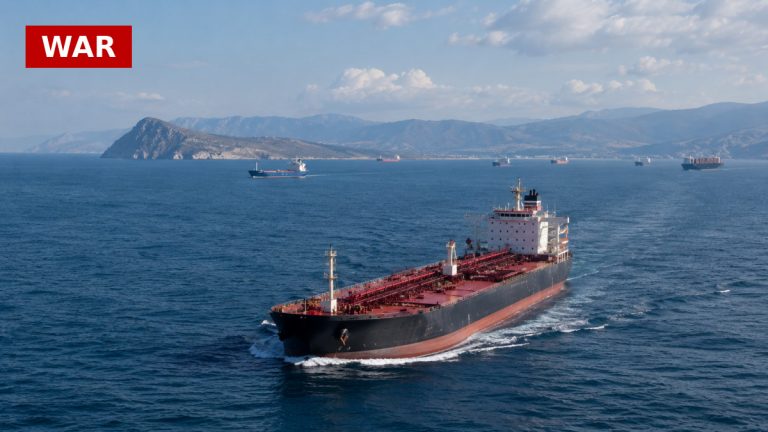
Ukraine has reportedly struck a Russian missile carrier in the Caspian Sea, marking a significant escalation in its military capabilities. This attack comes as Russia prepares for its Victory Day celebrations on May 9, a key event in its national calendar, which commemorates the defeat of Nazi Germany. The Kremlin has warned of potential missile strikes against Kyiv if Ukraine disrupts these commemorations, indicating heightened tensions in the region.
The underlying mechanism here is Ukraine’s increasing proficiency in long-range strikes, which includes the use of domestically produced missiles and drones. This capability allows Ukraine to target Russian military assets far from the front lines, potentially shifting the dynamics of the conflict. As Ukraine continues to develop its military technology, it poses a growing threat to Russian operations, particularly those that rely on naval assets in the Caspian Sea.
For the UK, this escalation could have indirect implications, particularly in terms of energy security and geopolitical stability. As the conflict intensifies, global energy markets may react, affecting fuel prices and supply chains. The UK’s reliance on energy imports means that any disruption in the region could lead to increased costs for consumers and businesses alike.
Looking ahead, observers should monitor the outcomes of the May 9 celebrations and any subsequent military actions from both sides. The Kremlin’s response to Ukraine’s strikes and the potential for further escalations could significantly impact the conflict’s trajectory and, by extension, the UK’s economic landscape.
Sources
Radio Free Europe/Radio Liberty