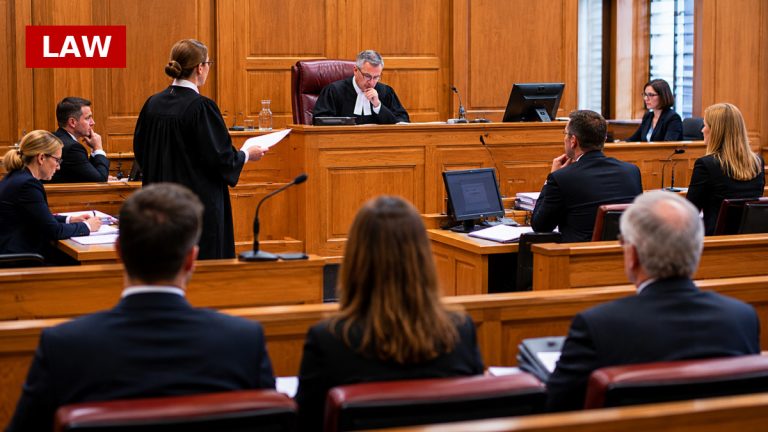
The recent UN General Assembly vote to support a landmark climate ruling highlights the growing legal responsibilities of countries to combat climate change. This resolution, despite opposition from major fossil fuel-producing nations like the US and Russia, reinforces the International Court of Justice’s stance that failing to protect the planet constitutes a violation of international law.
For UK residents, this ruling could have significant implications. As the UK government continues to navigate its climate policies, the pressure to adhere to international legal standards may increase. This could lead to stricter regulations on emissions and fossil fuel subsidies, directly affecting energy prices and household bills.
Moreover, the resolution encourages nations to develop national climate action plans aimed at limiting global temperature rise. This means that UK policies may evolve to align with international expectations, potentially impacting everything from transportation to energy consumption.
As climate-related issues become more legally binding, individuals may notice changes in government initiatives aimed at sustainability. The focus on accountability could also lead to increased public discourse on climate justice, especially for communities most affected by climate change, both domestically and globally.
Source: Euronews