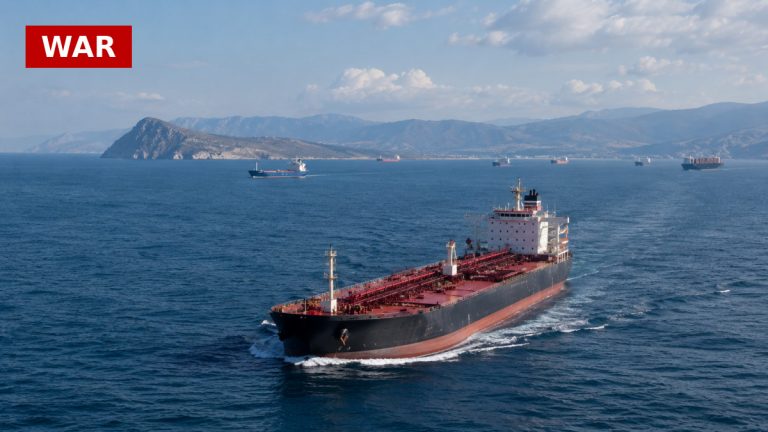
A recent UN report has raised serious concerns about the legality of US military strikes on alleged drug trafficking boats, suggesting these actions may constitute crimes against humanity. Over the past year, US forces have conducted 68 attacks in international waters, resulting in the deaths of at least 223 individuals. The UN’s special rapporteur on human rights argues that these strikes violate international law, as drug trafficking does not meet the criteria for self-defence under international standards.
The report highlights that the US has not provided sufficient evidence linking the targeted groups to state-sponsored terrorism, undermining its justification for military action. It also points out that alternative, less lethal methods could have been employed, such as maritime interceptions, which the US has acknowledged as feasible. This raises questions about the necessity and proportionality of the lethal force used.
Moreover, the effectiveness of these military operations is called into question, as cocaine seizures at the US border remain unchanged, and the strikes have not addressed the opioid crisis, which is primarily driven by land-based trafficking. The report suggests that targeting low-level suspects may hinder broader efforts to dismantle drug cartels and prosecute their leaders.
Finally, the financial implications are significant, with the military operations costing an estimated $4.7 billion. This funding could have been redirected towards more effective public health and law enforcement strategies, potentially yielding better outcomes in the fight against drug trafficking and addiction.
Source: Al Jazeera