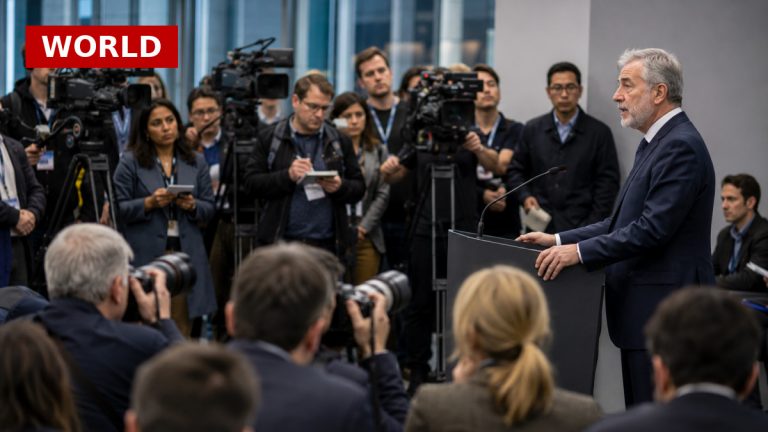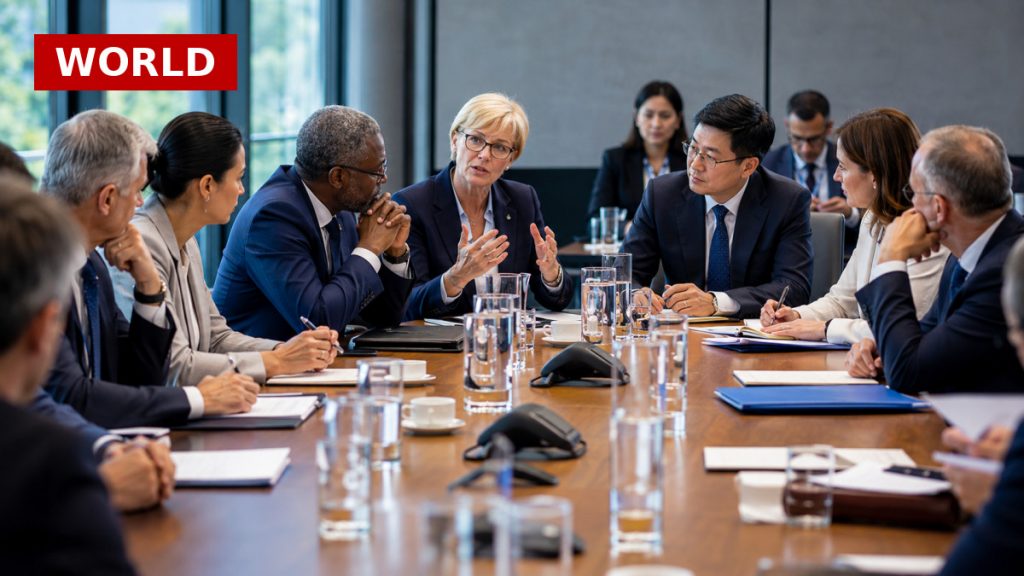
Volker Turk has been re-elected as the United Nations human rights chief for another four years, despite significant opposition from the US, Israel, and Russia. This marks a historic moment as he becomes the first individual to serve two full terms in this role since its inception in 1993. The UN General Assembly voted overwhelmingly in favour of his reappointment, with 144 votes supporting him against just 10 opposed.
Turk’s tenure has been marked by outspoken criticism of various governments, particularly regarding Israel’s actions in Gaza and Russia’s invasion of Ukraine. His comments have drawn ire from these nations, with Israel accusing him of bias and undermining UN neutrality. The US has also expressed concerns, labelling the vote as rushed and indicative of dysfunction within the UN.
The implications of Turk’s reappointment extend beyond immediate diplomatic tensions. His continued leadership may influence the UN’s approach to human rights advocacy, particularly in contentious regions. Critics argue that his reappointment could lead to further polarization within the UN, complicating international cooperation on human rights issues.
As Turk embarks on his new term, the challenges ahead include navigating the delicate balance between advocating for human rights and managing relationships with powerful member states. His ability to address these issues will be closely monitored, as they could shape the future of human rights discourse at the UN.
Source: Al Jazeera