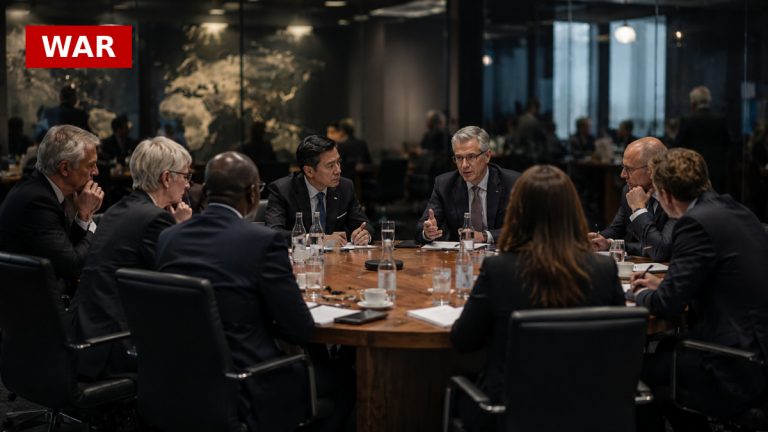
Recent discussions between the U.S. and Iran have shown only slight progress, leaving many uncertain about the potential for renewed conflict. U.S. Secretary of State Marco Rubio acknowledged this limited advancement while cautioning against overestimating the situation. The ongoing negotiations are critical, as they may determine whether military action resumes or a diplomatic resolution is reached.
The implications of these talks extend beyond the immediate parties involved. The U.S. has been under pressure from allies in the Middle East, including Saudi Arabia and the UAE, who are concerned about Iran’s military capabilities and regional influence. Any escalation could disrupt oil supplies and impact global markets, affecting prices at UK petrol stations and household budgets.
Moreover, the situation in the Strait of Hormuz, a vital shipping route for oil, remains tense. Iran’s control over this area poses risks not only to regional stability but also to international trade. The U.S. has been actively blockading Iranian ports, which could lead to retaliatory actions that further complicate the situation.
As these negotiations continue, the potential for a shift in U.S. foreign policy could have long-term effects on international relations and security. UK citizens should remain aware of how these developments might influence energy prices and geopolitical stability in the coming months.
Source: PBS News