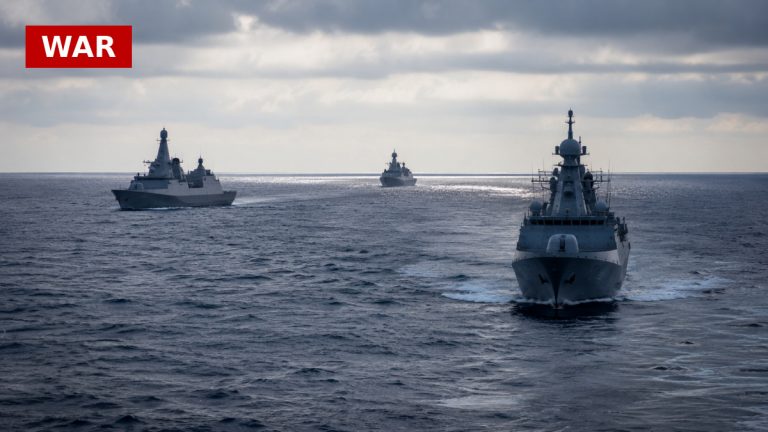
Recent statements from Vice President J.D. Vance indicate that while the U.S. and Iran have made progress in negotiations, the situation remains precarious. The lack of clarity regarding President Trump’s commitment to any agreement raises concerns about the potential for further military escalation. Iran’s recent missile activity towards Kuwait underscores the volatility of the region and the challenges in reaching a lasting ceasefire.
For the UK, this uncertainty could have indirect consequences, particularly in terms of energy prices and security. The Strait of Hormuz is a critical shipping route for oil, and any disruption could lead to increased fuel costs. As tensions rise, the UK may need to reassess its energy strategies and diplomatic approaches in the Middle East.
Moreover, the ongoing military exchanges between the U.S. and Iran highlight the risks of a broader conflict that could involve other nations. The UK’s involvement in international coalitions may be impacted, necessitating a careful evaluation of its foreign policy and military commitments.
As the situation develops, UK citizens should stay informed about potential shifts in energy prices and the implications for national security. Understanding the dynamics of U.S.-Iran relations is crucial, as these negotiations could shape the geopolitical landscape in ways that affect everyday life in the UK.
Source: PBS News