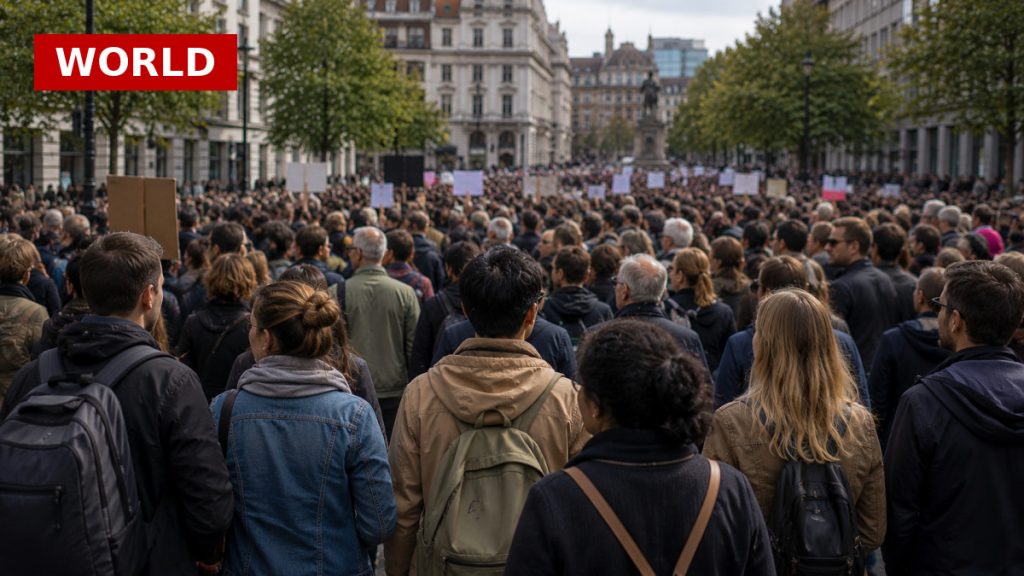
Albania’s ongoing protests, dubbed the ‘Flamingo Revolution’, have evolved from environmental concerns into a significant civic movement challenging the political status quo. Initially sparked by a luxury tourism project in a protected coastal area, the protests have grown to encompass broader demands for accountability and democratic representation. This shift highlights a deep-seated discontent with the current political model, as many citizens feel increasingly alienated from their leaders.
Prime Minister Edi Rama’s framing of the protests as part of a ‘hybrid war’ suggests a strategy to divert attention from the protesters’ demands by attributing their actions to external influences. This tactic echoes historical narratives from Albania’s communist past, where dissent was often portrayed as foreign interference. However, many observers argue that the protests stem from genuine grievances about governance and the erosion of public trust.
The protests have gained international attention, particularly after a shocking incident involving a protester being forcibly removed by security guards. This moment resonated deeply with the public, exposing the tensions between citizens and the state. It has prompted discussions about the rule of law and the balance of private interests versus public good, raising questions about the future of democracy in Albania.
As the protests continue, they have begun to influence international perceptions, with the European Parliament expressing concern over environmental and legal issues in Albania. This external pressure may play a crucial role in shaping the government’s response and could lead to significant changes in policy and governance, reflecting a broader trend of civic engagement in the region.
Source: DW News