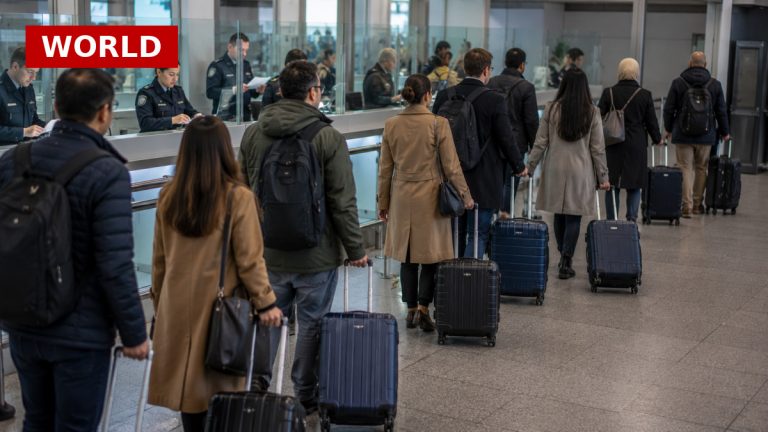
The recent migrant crisis in Ceuta has sparked intense political debate, particularly among far-right governments. These groups are accused of exploiting images of the crisis to instill fear and rally votes, framing the situation as a threat to national security. However, this perspective oversimplifies a complex issue rooted in historical and geopolitical factors.
Antoni Vives, a policy analyst and former Deputy Mayor of Barcelona, argues that the crisis cannot be viewed merely as a humanitarian emergency. Instead, it reflects deeper demographic and economic inequalities, as well as regional power dynamics between Morocco and Algeria. The timing and scale of the migrant crossings suggest a strategic move by Morocco, using migration as a tool of statecraft to signal its position to Spain.
This manipulation of the migrant narrative raises concerns about how political agendas can distort public perception. By portraying migrants as a threat, governments may divert attention from underlying issues such as economic disparity and colonial legacies that contribute to migration.
As the situation develops, it is crucial for the UK and other nations to critically assess their responses to migration. Understanding the broader context can help prevent the exploitation of vulnerable populations for political gain, fostering a more humane and informed approach to migration policy.
Source: France 24