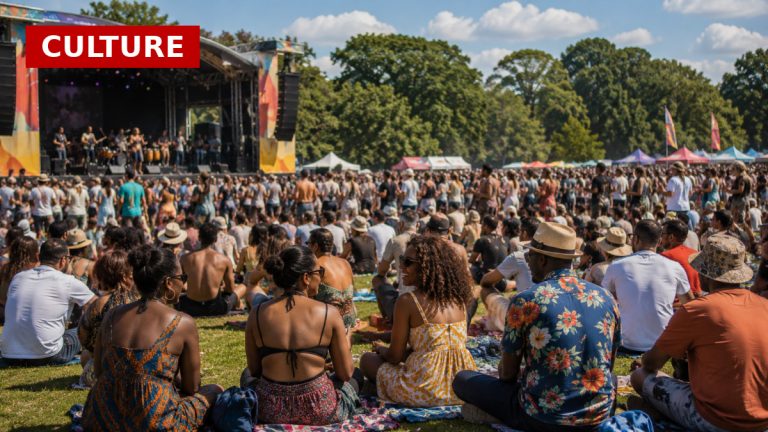
The Twelfth of July celebrations across Northern Ireland are set to draw tens of thousands of attendees, marking a significant event in the Orange Order’s calendar. This year, the main parades will occur on Monday, following the traditional observance of Sunday as a day of rest. The commemorations celebrate King William III’s victory at the Battle of the Boyne in 1690, a pivotal moment in Protestant history.
The parades will take place in 18 venues across all six counties, with local lodges joined by visitors from Scotland and beyond. While the event is largely festive, it also carries underlying tensions, particularly related to the bonfires lit on the Eleventh night. These bonfires, which are meant to welcome King William, have sparked controversy due to their size, location, and the symbols displayed, including offensive imagery in some instances.
This year, incidents such as the burning of a mosque effigy and contentious symbols on bonfires have reignited debates about community relations and the impact of such displays on local neighbourhoods. The Northern Ireland Housing Executive has invested over £1.4 million in recent years to protect properties near these bonfires, highlighting the ongoing challenges associated with the celebrations.
As the parades commence, they not only reflect a historical commemoration but also serve as a reminder of the complexities of identity and community in Northern Ireland. The Twelfth of July continues to be a day that encapsulates both pride and division, influencing social dynamics and local governance.
Source: BBC News