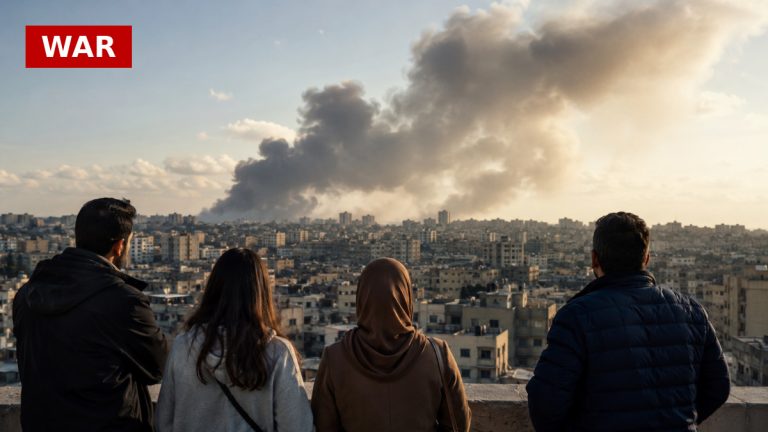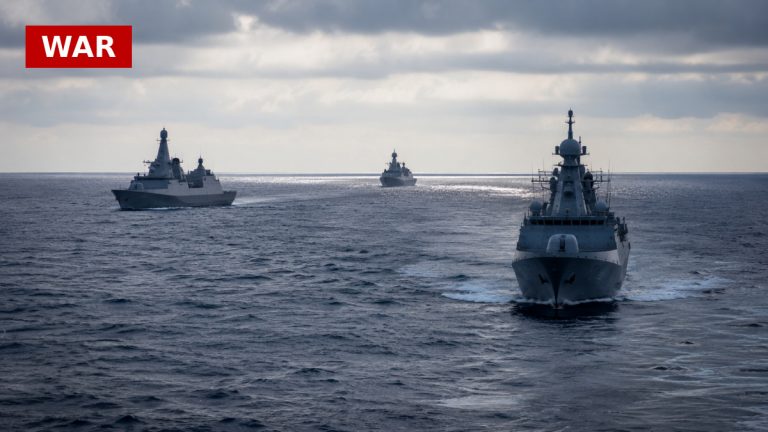
Ukraine’s recent strikes on Russian oil refineries and energy facilities have sparked debate about their moral and strategic justification. Proponents argue that these attacks are not acts of ‘morale bombing’ but necessary measures to weaken Russia’s war capabilities. By targeting infrastructure that supports military operations, Ukraine aims to reduce the ongoing suffering of its civilians and potentially shorten the conflict.
Critics, however, raise concerns about the impact on Russian civilians, suggesting that such actions blur the lines of international humanitarian law. Yet, the reality is more complex; many Russian citizens are complicit in the war effort through their support and funding of the military. Thus, the argument that civilians are entirely innocent fails to acknowledge their role in sustaining the conflict.
Moreover, these strikes may have broader implications for the war’s trajectory. By bringing the conflict closer to Russian society, Ukraine hopes to influence public sentiment against the war, potentially leading to greater pressure on the Russian government. This strategy could alter the dynamics of the conflict, making it essential for Ukraine to continue its targeted operations.
Ultimately, the justification for these strikes lies in their potential to save lives and hasten the end of the war. As Ukraine navigates this challenging landscape, the focus remains on proportionality and intent, rather than a simplistic moral equivalency between the two nations.
Source: The Guardian