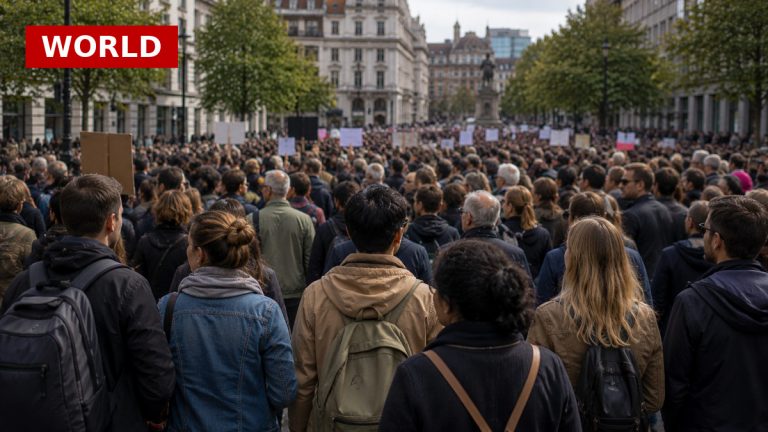
Recent protests in Pakistan-administered Kashmir have escalated into deadly clashes, highlighting deep-rooted governance issues in the region. With at least 11 fatalities reported, the unrest stems from a controversial decision to reserve legislative seats for refugees from Indian-administered Kashmir, a move that many locals oppose. Activists argue that these reserved seats undermine the representation of current residents, raising concerns about the legitimacy of the upcoming elections.
The Jammu Kashmir Joint Awami Action Committee (JAAC), a grassroots organisation, has been at the forefront of these protests, advocating for the abolition of the reserved seats. Their argument is that representation should reflect the local population, not those who have settled elsewhere in Pakistan. This demand is not just about local governance; it touches on broader issues of identity and political representation in a region fraught with historical tensions.
The Pakistani government’s response has included deploying paramilitary troops and imposing travel restrictions, indicating the seriousness of the situation. As the region prepares for elections on July 27, the protests could significantly impact voter turnout and the political landscape, potentially altering the balance of power in the semi-autonomous region.
Moreover, the unrest raises questions about the future of governance in Pakistan-administered Kashmir. If the JAAC’s demands are met, it could set a precedent for similar movements across the region, challenging the status quo and prompting a reevaluation of how political representation is structured in areas with complex histories of migration and conflict.
Source: Al Jazeera