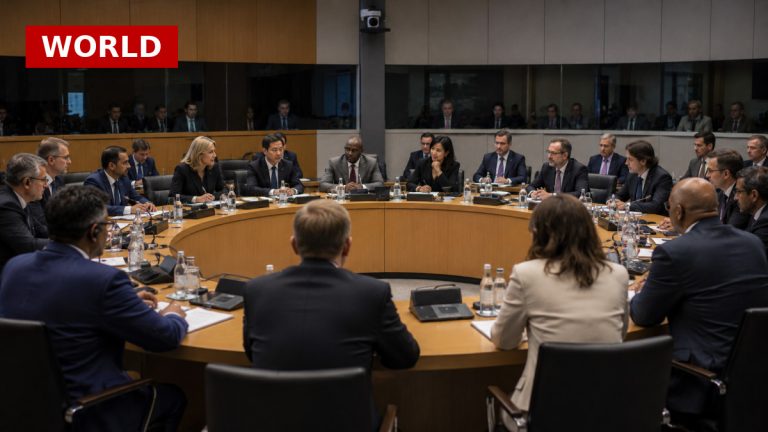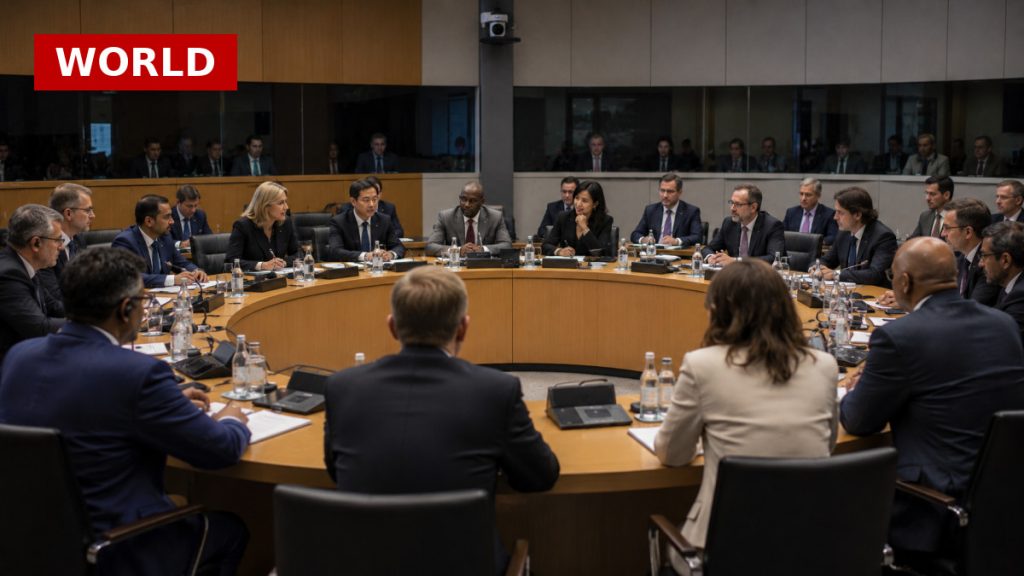
The United States has prevented Iran’s nuclear chief, Mohammad Eslami, from attending the International Atomic Energy Agency’s General Conference in Vienna. This decision follows the reinstatement of ‘snapback’ sanctions by the UN Security Council, which restricts travel for certain Iranian officials. Iran has accused the US of political bullying, claiming that the visa denial infringes on its rights as a member state.
Austria, the host country, initially approved Eslami’s visa but reversed its decision under US pressure. This incident highlights the complexities of international diplomacy surrounding Iran’s nuclear programme and raises questions about the effectiveness of the IAEA in facilitating dialogue. Iran’s ambassador to the IAEA condemned the move as a violation of the legal framework governing member participation.
The implications of this visa denial extend beyond the conference itself. It signals a potential escalation in tensions between Iran and the US, complicating future negotiations over Iran’s nuclear activities. The US argues that Eslami’s presence would allow Iran to exploit the conference for propaganda, undermining the IAEA’s credibility.
As diplomatic efforts continue, the incident underscores the fragility of international agreements and the challenges of enforcing compliance. The ongoing standoff over nuclear inspections and Iran’s insistence on the peaceful nature of its programme further complicate the landscape, leaving room for future diplomatic openings amid rising regional tensions.
Source: Al Jazeera