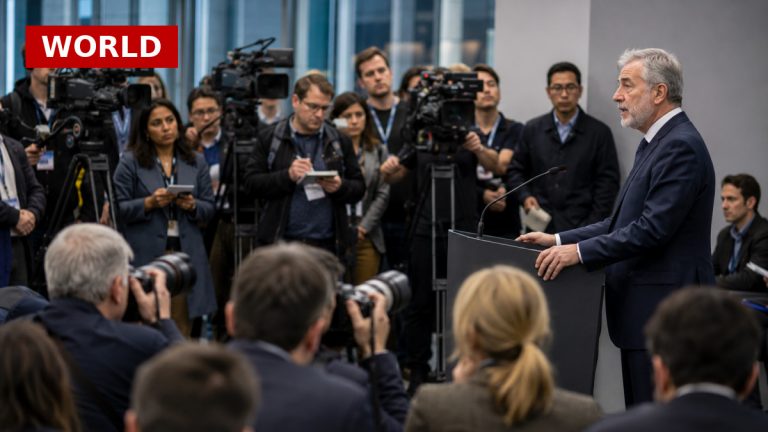
The recent revocation of Brazil’s ambassador to the US visa by the Trump administration highlights escalating diplomatic tensions between the two nations. This move follows Brazil’s delay in approving Trump’s ambassadorial nominee and its denial of visas to US diplomats, raising concerns about the impact on bilateral relations.
The revocation is seen as a retaliatory measure, reflecting deeper ideological divides and the US’s perceived interference in Brazil’s upcoming presidential elections. Brazil’s government has condemned the action, framing it as part of a broader pattern of hostility from the US, which could influence public sentiment ahead of the elections.
While the US State Department has indicated that the visa revocation could be reversed if Brazil cooperates, the situation underscores vulnerabilities in diplomatic protocols. The ongoing tensions may disrupt routine diplomatic engagements, affecting trade and cooperation on critical issues like democracy and human rights.
As Brazil approaches its elections, the fallout from this incident could shape voter perceptions and influence the political landscape, particularly with the backdrop of Bolsonaro’s controversial legacy. The evolving relationship between the two countries will be crucial to monitor, as it may have lasting implications for regional stability and international diplomacy.
Source: DW News