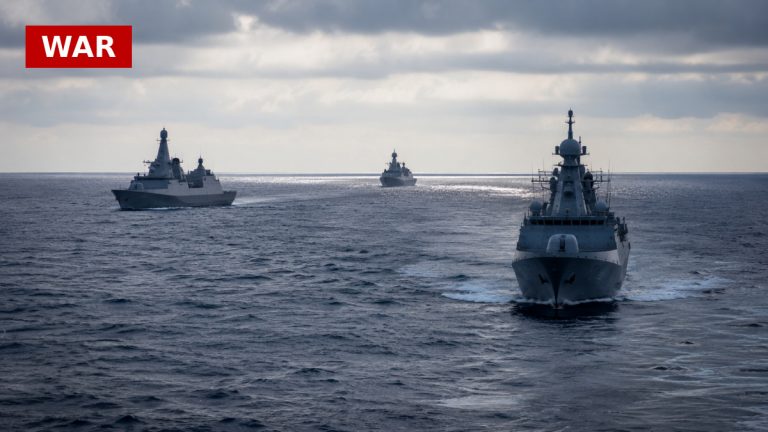
The United States has cancelled the Ssangyong amphibious landing exercises with South Korea due to military constraints linked to the ongoing Iran conflict. This significant decision raises questions about the US commitment to joint military operations in the Asia-Pacific region, especially as North Korea’s military capabilities remain a pressing concern.
These biennial drills are crucial for enhancing interoperability between US and South Korean forces, involving complex operations that simulate real combat scenarios. With the cancellation, South Korea may face challenges in maintaining its readiness and deterrence posture against potential threats from North Korea, which continues to develop its nuclear arsenal.
The decision also reflects broader implications for US military strategy in Asia. The reduction of military exercises could embolden adversaries in the region, potentially altering the balance of power. South Korea’s government is now in discussions with the US to explore rescheduling these exercises, signalling the importance of these drills for their national security policy.
As the geopolitical landscape evolves, the impact of such military decisions could lead to a shift in regional alliances and security dynamics, making it essential for observers to monitor the consequences of this cancellation in the coming months.
Source: Euronews