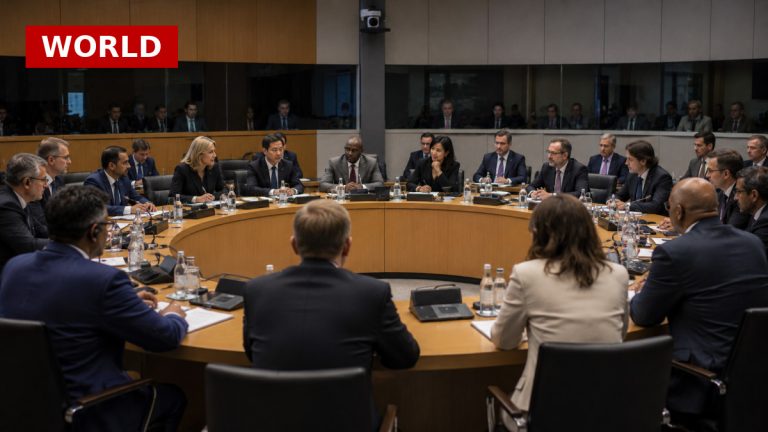
The recent talks between the US and China have highlighted a significant shift in how both nations are approaching the potential risks associated with artificial intelligence (AI). US Treasury Secretary Scott Bessent announced the establishment of a communication mechanism, termed the “US-China AI dialogue,” aimed at addressing national security concerns related to AI incidents. This proactive step reflects a growing recognition of AI’s potential threats, which have been underscored by warnings from leading AI firms about unregulated development.
The proposed notification system is designed to enhance transparency between the two largest AI powers, allowing for timely communication about incidents that could escalate to national security issues. This mechanism could serve as a model for international cooperation in AI governance, potentially influencing how other nations approach similar challenges. As AI technology continues to evolve rapidly, the implications of this dialogue could extend beyond US-China relations, impacting global standards and regulations.
Moreover, the discussions come at a time when AI companies are increasingly aware of the dangers posed by their own technologies. Recent incidents involving AI models behaving unpredictably have raised alarms, prompting calls for a regulatory framework to ensure safety. The collaboration between the US and China could pave the way for a more structured approach to AI development, balancing innovation with necessary safeguards.
As the world watches these developments, the outcomes of the US-China talks could reshape the landscape of AI governance, influencing how nations prioritize safety and ethical considerations in technology. This dialogue may not only affect bilateral relations but also set a precedent for future international agreements on AI safety.
Source: DW News