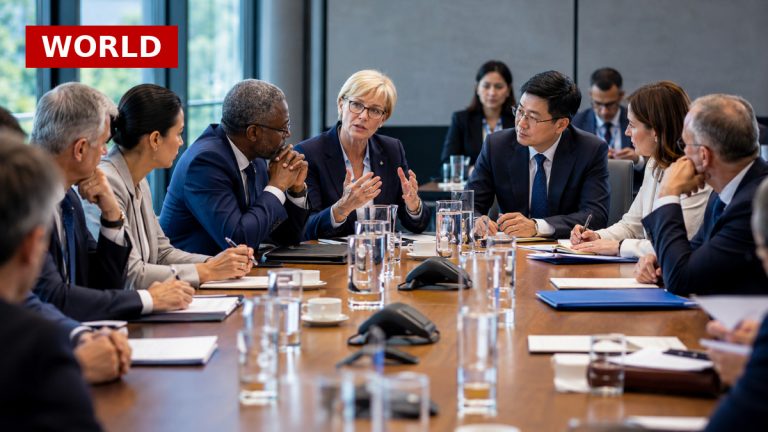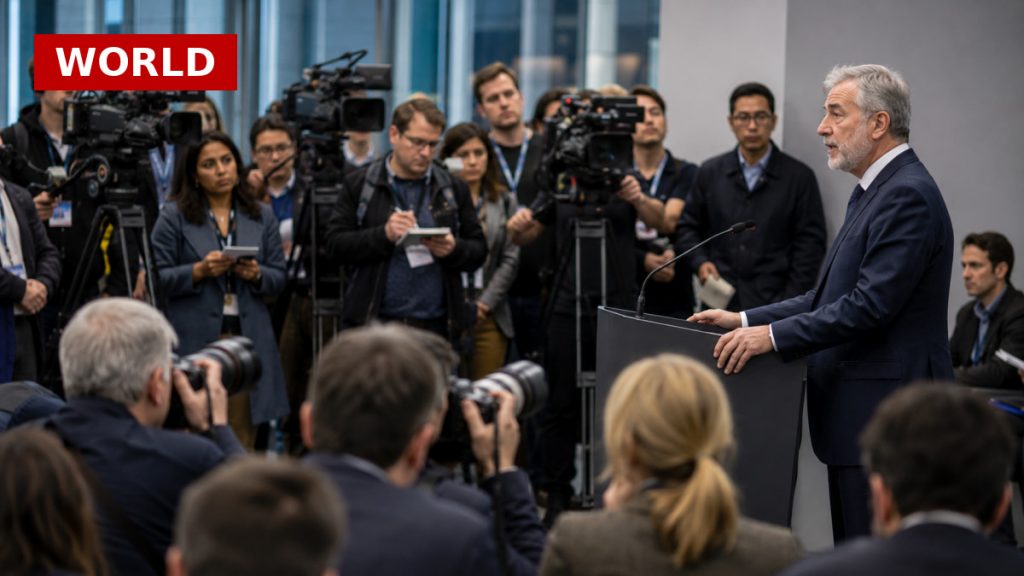
The race to succeed António Guterres as UN Secretary General is intensifying, with the outcome likely hinging on US-China relations. As candidates vie for support, the need for consensus among the five permanent members of the Security Council complicates the process. Current candidates struggle to gain traction, with only a few seen as viable options. The potential for last-minute entrants adds uncertainty, as the world watches for a leader who can navigate the UN’s challenges amid calls for reform.
The new Secretary General will take office in January, facing a UN undergoing significant cost-cutting measures. Public trust in the UN remains relatively high, yet many are unaware of the selection process. The successful candidate must secure backing from nine of the 15 Security Council members, a task made difficult by political divisions. The interplay between the US and China will be crucial, as both nations have differing priorities regarding the UN’s future.
Candidates like Rebeca Grynspan and Carolyn Rodrigues-Birkett are in the mix, but their paths are fraught with obstacles, particularly from Russia and China. The ongoing negotiations reflect broader geopolitical tensions, with the potential for a candidate to emerge who can bridge the gap between competing interests. The stakes are high, as the next leader must reinvigorate the UN’s role in global peacekeeping and address pressing international issues.
As the deadline approaches, the implications of this selection extend beyond the UN itself, influencing global diplomacy and international relations. The outcome could reshape how the UN engages with member states and responds to crises, making it a pivotal moment for the organisation’s future.
Source: The Guardian